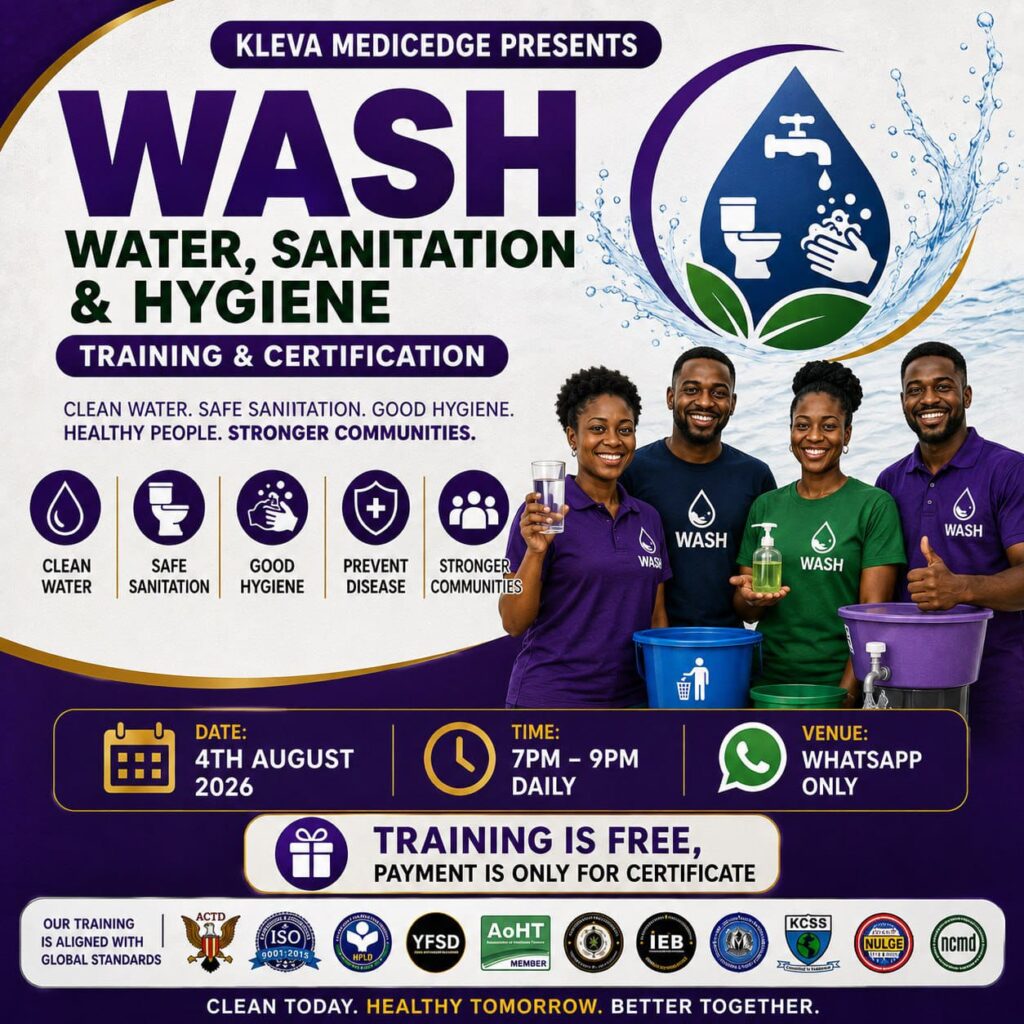
WELCOME TO WASH TRAINING
For the next two hours, we’re going to focus on something that affects *every single person, every single day.*
Whether you’re a healthcare worker… caregiver… teacher… artisan… food handler… cleaner… student… office worker… or simply someone who wants to protect their family…
WASH concerns you.
Many illnesses are not caused because treatment doesn’t exist…
They happen because *basic Water, Sanitation and Hygiene practices are ignored.*
Unsafe drinking water…
Poor sanitation…
Dirty hands…
Improper waste disposal…
These simple things continue to spread diseases, cause unnecessary suffering, and even claim lives.
The good news is that many of these problems are preventable.
During this training, you’ll learn how to identify common WASH risks… understand why they happen… and most importantly… how to prevent them using practical measures that can be applied at home… in the workplace… in healthcare settings… and within your community.
This is not a course about memorising definitions.
It’s about building habits that protect lives… including your own.
Let’s begin.
It was a normal Monday morning in a busy mechanic workshop.
The workers arrived early…
One person bought sachet water from a roadside vendor…
Another quickly ate breakfast without washing his hands after repairing a vehicle…
The workshop’s toilet had no running water…
Waste was dumped behind the building because “everyone does it.”
Within a few days…
One worker developed severe diarrhoea…
Another was admitted to hospital with typhoid…
Several others complained of stomach cramps and vomiting…
The workshop had to close temporarily because too many workers were sick.
Everyone blamed the food vendor.
Everyone blamed the weather.
Everyone blamed bad luck.
But the investigation found something different.
The illnesses were linked to *unsafe water… poor sanitation… inadequate hand hygiene… and improper waste disposal.*
None of these problems required expensive equipment to prevent.
They only required *good WASH practices.*
Several people became seriously ill…
Work stopped…
Income was lost…
Families suffered…
All because simple preventive measures were ignored.
WASH is not just about cleanliness.
It is about protecting health… preventing disease… preserving livelihoods… and saving lives before treatment is ever needed.
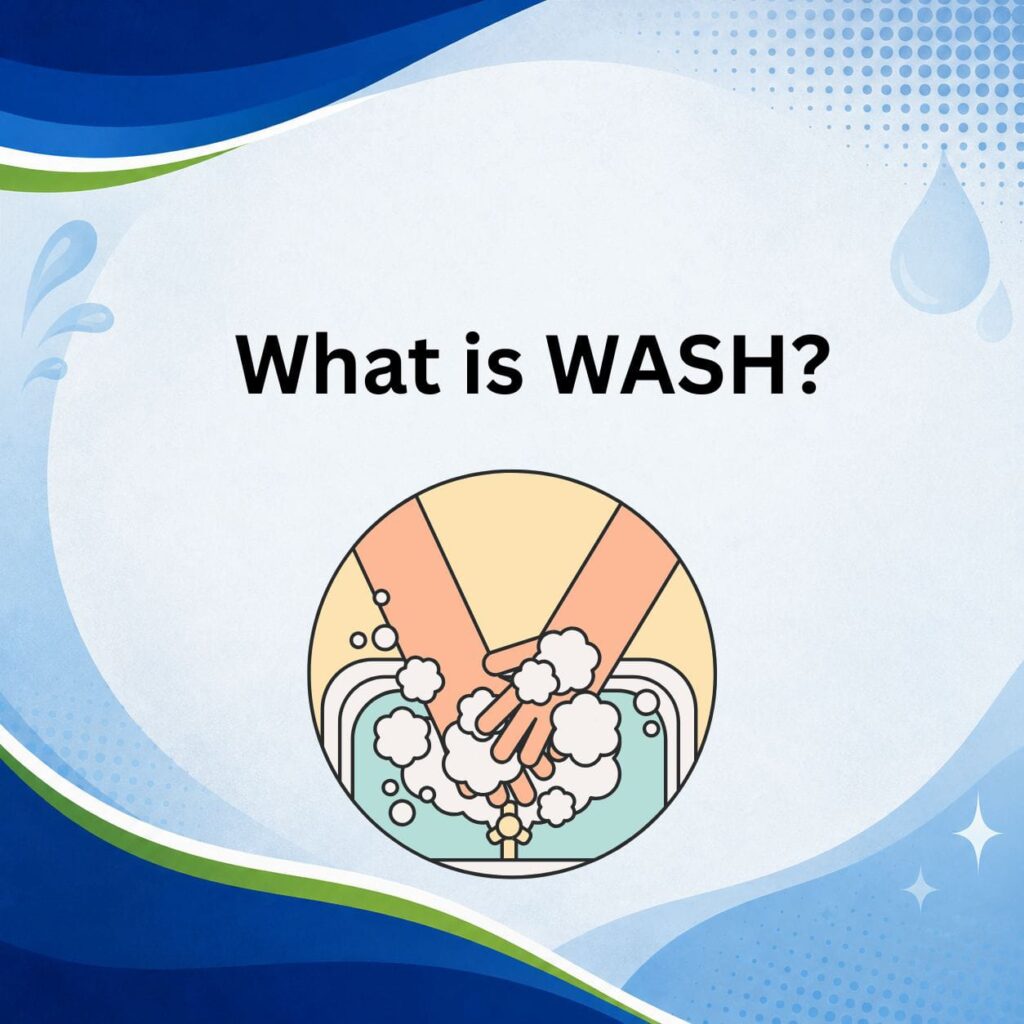
WHAT IS WASH?
You will hear the word *WASH* used in healthcare… schools… workplaces… humanitarian programmes… and communities around the world.
But what does it actually mean?
WASH stands for Water… Sanitation… and Hygiene.
These three areas work together to protect people from diseases and create healthier, safer environments.
Water
People need *safe, clean water* for drinking… cooking… bathing… cleaning… and many other daily activities.
Having water is not enough.
The water must be safe.
Water that looks clean can still contain harmful bacteria… viruses… parasites… or chemicals that can make people seriously ill.
Sanitation
Sanitation is about the *safe collection, treatment, and disposal of human waste* while keeping our surroundings clean.
It includes using proper toilets… safely disposing of sewage… preventing open defecation… and maintaining clean environments that reduce the spread of disease.
Hygiene
Hygiene refers to the *everyday practices that keep people healthy.*
This includes washing your hands properly… keeping your body clean… handling food safely… maintaining clean living and working environments… and practising good personal hygiene every day.
Why Does WASH Matter?
Without good WASH practices…
Diseases spread more easily.
Children miss school.
Adults miss work.
Hospitals become less safe.
Communities become more vulnerable to outbreaks.
Many illnesses that affect millions of people every year can be prevented through *simple WASH practices.*
WASH is not just about cleanliness.
It is one of the most effective ways to protect health… prevent disease… preserve dignity… and save lives.
WHY WASH SAVES LIVES
Every day…
Thousands of people become sick from diseases that could have been prevented through *basic Water… Sanitation… and Hygiene practices.*
Many of these illnesses do not start in hospitals.
They start in homes…
Schools…
Markets…
Construction sites…
Restaurants…
Workplaces…
And communities where unsafe water… poor sanitation… and poor hygiene allow germs to spread.
Disease Prevention
Good WASH practices help prevent diseases such as:
- Diarrhoea
- Cholera
- Typhoid fever
- Dysentery
- Hepatitis A
- Intestinal worm infections
- Many foodborne illnesses
Something as simple as *washing your hands with soap* before eating or after using the toilet can significantly reduce the spread of many infections.
Public Health Impact
WASH is not just about protecting one person.
It protects *entire communities.*
When more people have access to safe water… use proper sanitation… and practise good hygiene…
There are fewer disease outbreaks…
Hospitals become less overcrowded…
Children spend more time in school…
Adults miss fewer days at work…
Healthcare costs are reduced…
And communities become healthier and more productive.
Everyday Importance
Many people think about WASH only during disease outbreaks.
That is a mistake.
WASH is an everyday responsibility.
Every glass of water you drink…
Every meal you prepare…
Every toilet you use…
Every patient you care for…
Every child you look after…
Every piece of waste you dispose of…
Every time you wash—or fail to wash—your hands…
Is an opportunity either to *stop the spread of disease… or help it spread.*
WASH doesn’t save lives because it is complicated.
It saves lives because simple habits… practised consistently… prevent countless illnesses before they ever begin.
SAFE WATER
Water is essential for life.
But not all water is *safe to drink.*
Clear water is not always *clean water.*
Water can look perfectly normal… yet contain bacteria… viruses… parasites… or harmful chemicals that can make people seriously ill.
Sources of Safe Water
Safe water may come from:
- Properly treated piped water
- Protected boreholes
- Protected wells
- Treated rainwater
- Bottled or sachet water from trusted sources
Not every borehole… well… stream… river… or water vendor provides safe drinking water.
Always think about where the water came from and how it was handled.
How Does Water Become Contaminated?
Water can become contaminated through:
- Human or animal waste
- Open defecation
- Poor sewage disposal
- Flooding
- Dirty containers
- Unwashed hands
- Dead animals
- Industrial or chemical pollution
Sometimes the contamination happens *after* the water has already been collected.
A clean bucket filled with safe water can become unsafe if someone dips dirty hands or cups into it.
Making Water Safer
If you are unsure whether water is safe…
Treat it before drinking.
Common treatment methods include:
- Boiling the water
- Using approved water purification tablets
- Proper filtration
- Chlorination where appropriate
These methods help reduce or eliminate many harmful microorganisms.
Safe Water Storage
Treating water is only part of the job.
You must also *store it safely.*
Use clean containers with tight-fitting lids.
Keep drinking water separate from water used for cleaning.
Avoid dipping hands or dirty cups into stored water.
Use a clean ladle or tap whenever possible.
Clean storage containers regularly.
Safe water can become unsafe if it is stored carelessly.
Safe water begins with a safe source… but it stays safe only when it is handled… treated… and stored properly.
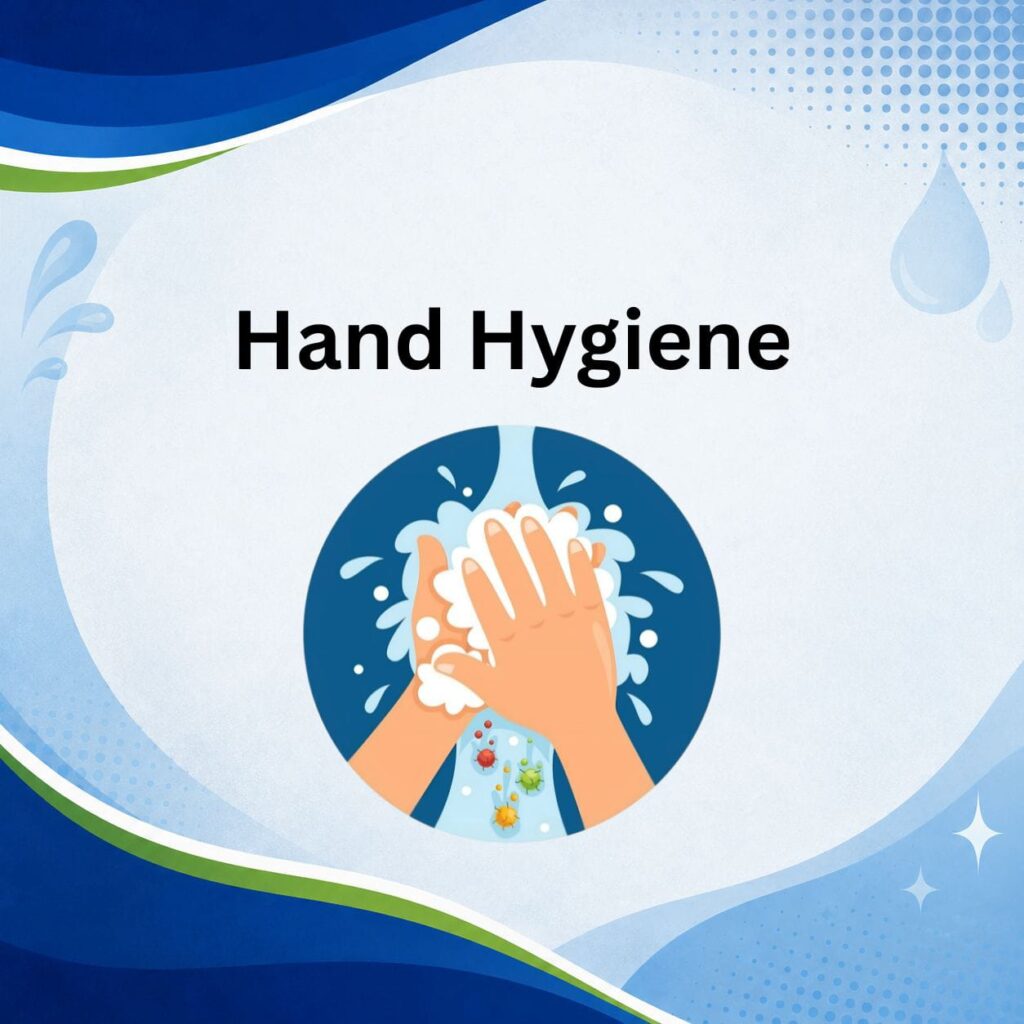
HAND HYGIENE
Your hands can become contaminated *without looking dirty.*
Every time you touch a door handle…
Shake someone’s hand…
Handle money…
Use the toilet…
Prepare food…
Touch a patient…
Or take out the rubbish…
You may pick up germs that are invisible to the naked eye.
Those germs can easily find their way into your mouth… nose… eyes… food… or onto other people.
That is why hand hygiene is one of the simplest and most effective ways to prevent the spread of disease.
When Should You Wash Your Hands?
Always wash your hands:
- Before preparing food
- Before eating
- Before touching a patient or providing care
- Before treating a wound
And always wash your hands:
- After using the toilet
- After changing a baby’s diaper
- After coughing… sneezing… or blowing your nose
- After handling waste or rubbish
- After touching animals
- After cleaning
- After caring for someone who is sick
- Whenever your hands are visibly dirty
How Should You Wash Your Hands Properly?
Simply rinsing your hands with water is *not enough.*
Proper handwashing involves:
- Wet your hands with clean running water.
- Apply soap.
- Rub your palms together.
- Scrub the backs of your hands.
- Clean between your fingers.
- Rub your thumbs.
- Clean your fingertips and under your nails.
- Wash your wrists.
- Scrub for at least *20 seconds.*
- Rinse thoroughly with clean running water.
- Dry your hands using a clean towel… disposable paper towel… or allow them to air dry.
If soap and clean water are not available…
Use an alcohol-based hand sanitiser containing at least *60% alcohol*… provided your hands are not visibly dirty.
Hand hygiene is not about keeping your hands looking clean.
It is about removing germs before they have the opportunity to make you… your family… your patients… or your community sick.
Ahmed works as a food vendor…
After collecting cash from several customers… he notices that his hands do not look dirty…
A few minutes later… a customer orders a sandwich…
There is no sink nearby… but Ahmed has a bottle of alcohol-based hand sanitiser containing more than 60% alcohol… and his hands are not visibly dirty…
He is in a hurry because more customers are waiting.
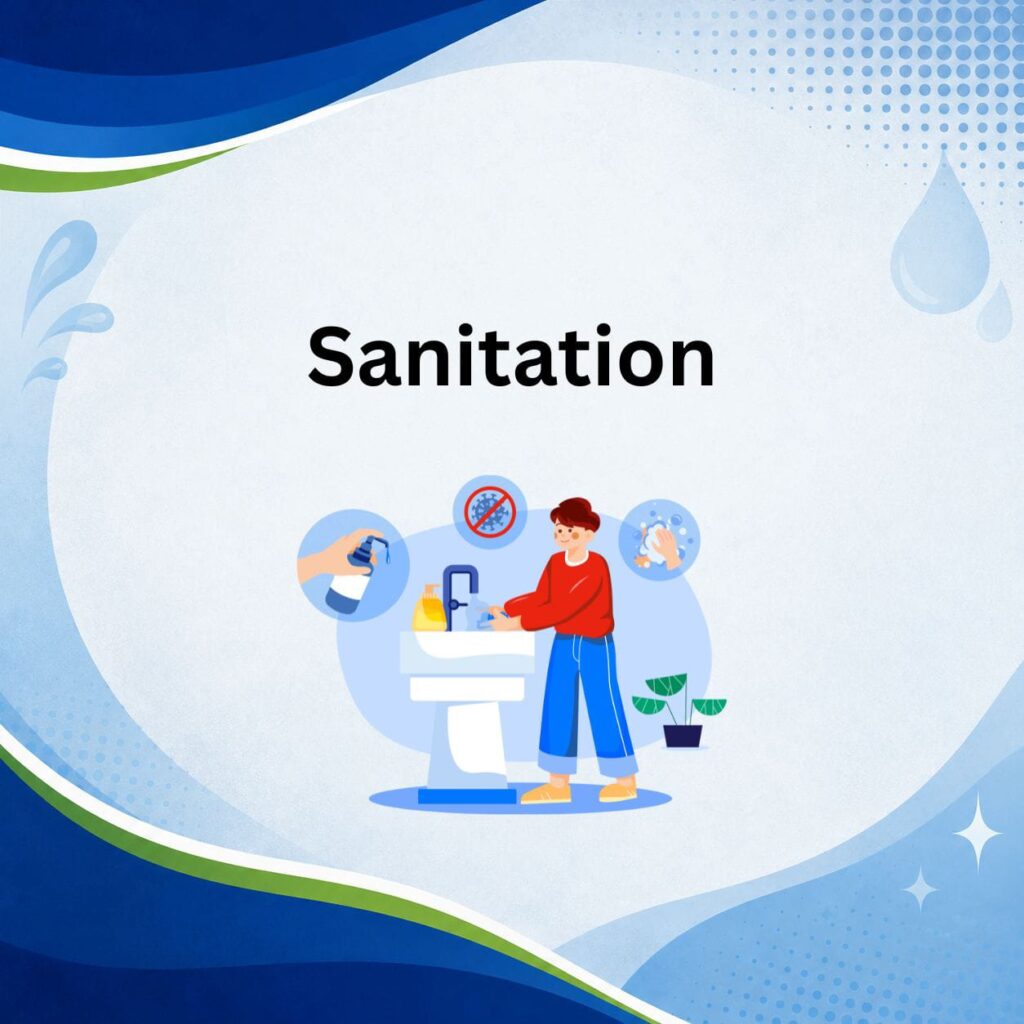
SANITATION
One of the quickest ways to spread disease is to allow human waste to end up where people live… eat… work… or play.
That is why sanitation is one of the foundations of public health.
What is Sanitation?
Sanitation is the safe collection… treatment… and disposal of human waste while maintaining clean surroundings that reduce the spread of disease.
It also includes managing wastewater… keeping toilets clean… and preventing contamination of water sources and the environment.
Safe Disposal of Human Waste
Human waste contains millions of germs.
If it is not disposed of properly…
Those germs can contaminate water…
Food…
Hands…
Soil…
And anything else they come into contact with.
This is one of the major ways diseases such as cholera… typhoid… and diarrhoea spread.
Human waste should always be disposed of safely using proper sanitation facilities.
Toilets and Latrines
Using a toilet or latrine is not enough.
It must also be clean… functional… and used correctly.
A good sanitation facility should:
- Be used by everyone
- Be kept clean
- Be well maintained
- Have facilities for handwashing nearby
- Be safe and accessible
Open defecation should never be encouraged because it contaminates the environment and increases the risk of disease outbreaks.
Environmental Cleanliness
Sanitation goes beyond toilets.
Dirty surroundings attract flies… mosquitoes… rats… and other pests that spread disease.
Blocked drains…
Overflowing refuse…
Stagnant water…
And poor waste management create ideal conditions for infections to spread.
Keeping homes… workplaces… schools… healthcare facilities… and communities clean is everyone’s responsibility.
Good sanitation protects more than the environment.
It protects people’s health… dignity… safety… and quality of life.
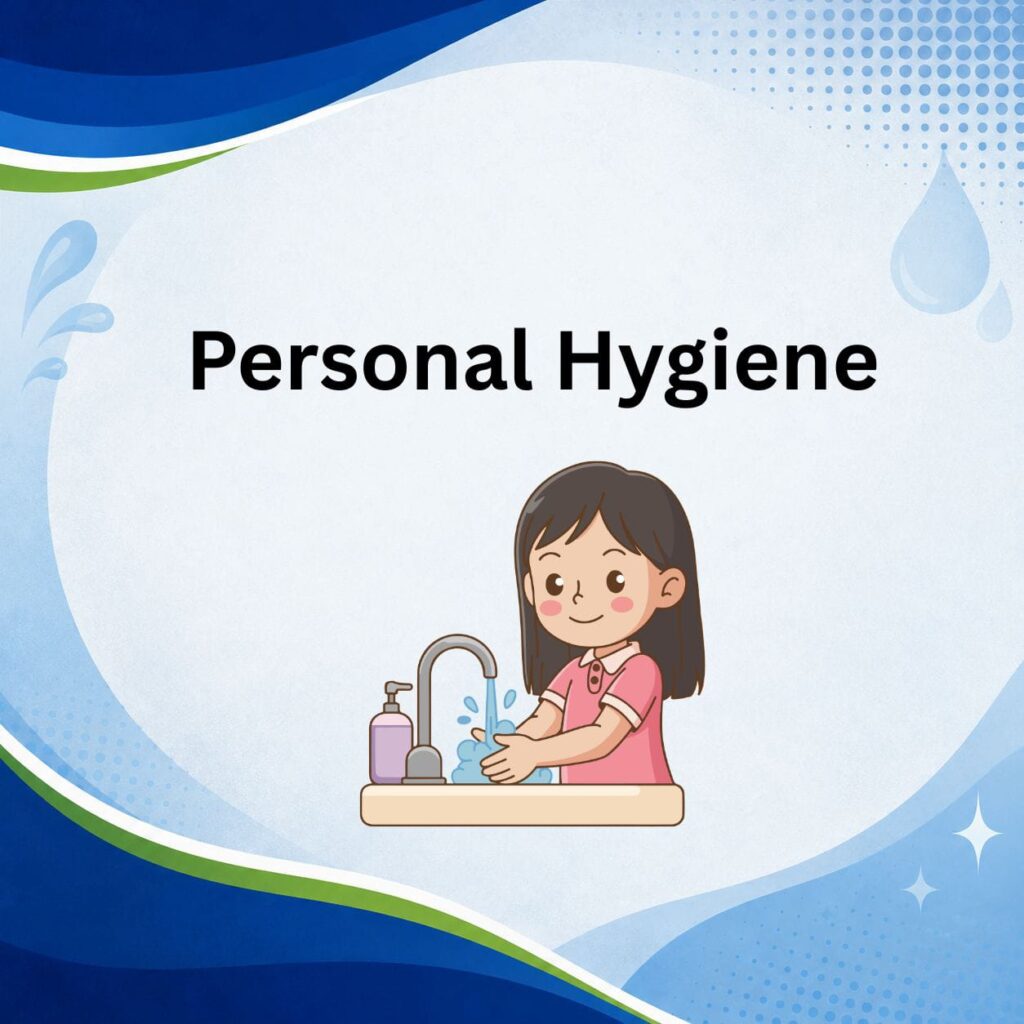
PERSONAL HYGIENE
You cannot always control the germs around you…
But you can control the habits that protect you from them.
Personal hygiene is not about looking neat or smelling nice…
It is about reducing the spread of germs… preventing disease… and protecting both yourself and the people around you.
Small daily habits make a big difference.
Daily Hygiene Practices
Good personal hygiene should become part of your daily routine.
→ Bathe regularly using clean water and soap
→ Wash your hands at the right times
→ Brush your teeth at least twice a day
→ Keep your fingernails short and clean
→ Wear clean clothes
→ Keep cuts and wounds clean and covered
→ Avoid sharing personal items such as towels… razors… or toothbrushes
Food Hygiene
Many cases of food poisoning happen because food is handled carelessly.
Protect yourself and others by following simple food hygiene practices.
→ Wash your hands before preparing food
→ Wash fruits and vegetables before eating them
→ Cook food thoroughly
→ Keep raw and cooked foods separate
→ Store food safely
→ Use clean utensils and clean preparation surfaces
Respiratory Hygiene
When you cough or sneeze…
Tiny droplets carrying germs can spread to people nearby.
Good respiratory hygiene helps reduce the spread of infections.
→ Cover your mouth and nose with a tissue or your elbow when coughing or sneezing
→ Dispose of used tissues properly
→ Wash or sanitise your hands afterwards
→ Avoid coughing or sneezing directly onto other people
→ Stay home if you have a contagious illness whenever possible
Menstrual Hygiene Awareness
Menstruation is a normal part of life…
It should never be a source of shame or embarrassment.
Good menstrual hygiene helps protect health… comfort… and dignity.
→ Use clean and appropriate menstrual products
→ Change sanitary products regularly
→ Wash the genital area with clean water
→ Wash your hands before and after changing menstrual products
→ Dispose of used sanitary products safely and responsibly
→ Ensure girls and women have access to clean toilets… water… and privacy
Good personal hygiene is not something you practise only when people are watching.
It is a daily commitment that protects your health… your family… your workplace… and your community.
WASTE MANAGEMENT
Waste does not become harmless simply because you throw it away.
If waste is managed carelessly… it becomes a health hazard.
Poor waste management attracts flies… rats… mosquitoes… and other pests… contaminates water… pollutes the environment… and increases the spread of disease.
Managing waste properly protects both people and the environment.
Types of Waste
Not all waste is the same…
Different types of waste require different methods of handling and disposal.
Common types include:
→ General household waste
→ Food waste
→ Plastic waste
→ Paper and cardboard
→ Glass
→ Metal
→ Garden waste
→ Healthcare or medical waste
→ Hazardous chemical waste
Waste Segregation
One of the biggest mistakes people make is mixing all waste together.
Waste should be separated at the point where it is produced.
This makes disposal safer… reduces environmental pollution… encourages recycling… and protects people who collect and handle waste.
Never assume that all waste belongs in the same bin.
Safe Disposal Methods
The safest method depends on the type of waste.
Good waste management includes:
→ Placing waste in suitable containers
→ Keeping bins covered
→ Emptying bins regularly
→ Disposing of waste only at approved collection points
→ Recycling materials where possible
→ Never dumping waste into rivers… drainage systems… or open spaces
→ Never burning waste unless it is done in approved facilities
Healthcare Waste Basics
Healthcare waste deserves special attention because it may contain infectious materials.
Examples include:
→ Used needles and syringes
→ Blood-stained dressings
→ Used gloves
→ Laboratory waste
→ Expired medicines
→ Items contaminated with body fluids
These materials should never be mixed with ordinary household waste.
They must be handled… transported… and disposed of using approved procedures to protect healthcare workers… waste handlers… patients… and the public.
Good waste management is not someone else’s responsibility.
Every piece of waste you dispose of should be handled in a way that protects people… protects the environment… and prevents disease.
INFECTION PREVENTION THROUGH WASH
Every infection has a way of spreading.
A germ leaves one person…
Travels through contaminated hands… unsafe water… food… waste… or dirty surfaces…
And reaches the next person.
Your job is to stop that journey.
That is exactly what WASH helps you do.
Breaking the Chain of Infection
For an infection to spread…
The germ needs an opportunity.
When you practise good WASH…
You remove many of those opportunities.
Simple actions such as washing your hands… drinking safe water… using clean toilets… disposing of waste properly… and keeping your surroundings clean can interrupt the spread of disease before it reaches another person.
One good hygiene habit can stop countless germs from reaching their next victim.
Diseases Prevented Through Good WASH Practices
Good WASH practices help reduce the spread of many diseases, including:
→ Cholera
→ Typhoid fever
→ Diarrhoeal diseases
→ Dysentery
→ Hepatitis A
→ Intestinal worm infections
→ Food poisoning
→ Many other waterborne and foodborne illnesses
Many of these diseases are preventable.
They continue to spread mainly because basic hygiene and sanitation practices are ignored.
Protecting Families and Communities
Good WASH is not just about protecting yourself.
Every time you wash your hands properly…
Dispose of waste safely…
Use clean water…
Or keep your environment clean…
You reduce the risk of passing harmful germs to someone else.
That could be…
→ Your child
→ Your spouse
→ Your patient
→ Your colleague
→ Your neighbour
→ A complete stranger
Disease prevention begins with individual responsibility… but its benefits reach the entire community.
The healthiest communities are not those with the biggest hospitals… they are the ones where people consistently practise good Water… Sanitation… and Hygiene.
WASH IN HOMES
Many people think infections are picked up only in hospitals.
That is not true.
Many diseases begin at home.
The kitchen…
The toilet…
The water container…
The rubbish bin…
Or a child’s dirty hands.
Your home should be the safest place for your family…
Not the place where germs spread from one person to another.
Safe Kitchens
The kitchen is where food should nourish your family…
Not make them sick.
Simple habits make a huge difference.
→ Wash your hands before preparing food
→ Wash fruits and vegetables before eating or cooking them
→ Keep raw and cooked foods separate
→ Cook food thoroughly
→ Clean kitchen surfaces regularly
→ Keep insects and rodents away from food
Safe Drinking Water
Never assume water is safe simply because it looks clean.
→ Use water from trusted sources
→ Treat water if you are unsure of its safety
→ Store drinking water in clean, covered containers
→ Use a clean cup, tap, or ladle to collect drinking water
→ Keep water containers clean at all times
Household Sanitation
A clean home is one of the best defences against disease.
→ Keep toilets clean and functional
→ Dispose of waste properly
→ Clean frequently touched surfaces regularly
→ Prevent stagnant water around the home
→ Keep drains clear
→ Wash hands after using the toilet and before eating or preparing food
Child Safety
Children explore the world with their hands…
And often with their mouths.
That makes them especially vulnerable to infection.
→ Teach children proper handwashing from an early age
→ Keep drinking water out of reach of contamination
→ Store cleaning chemicals and medicines safely
→ Dispose of diapers and children’s waste hygienically
→ Keep play areas clean
→ Supervise young children around water sources and sanitation facilities
Healthy homes are not built with expensive materials.
They are built through simple… consistent WASH practices that protect every member of the family… every single day.
WASH IN SCHOOLS AND WORKPLACES
You may have excellent hygiene habits at home…
But if your school or workplace has poor WASH practices…
Everyone is at greater risk of becoming sick.
WASH is a shared responsibility.
It only takes one person to ignore basic hygiene practices for germs to spread to many others.
Shared Responsibilities
Creating a safe environment is everyone’s job.
→ Wash your hands regularly
→ Keep shared spaces clean
→ Use toilets responsibly
→ Dispose of waste in the correct bins
→ Clean up after yourself
→ Report broken taps… blocked toilets… or sanitation problems promptly
→ Encourage others to follow good WASH practices through your own example
Safe Facilities
Good WASH depends on having facilities that are safe… clean… and accessible.
Every school and workplace should have:
→ Safe drinking water
→ Clean and functional toilets
→ Handwashing stations with soap and clean water
→ Proper waste disposal facilities
→ Clean eating and food preparation areas where applicable
→ Regular cleaning and maintenance of shared spaces
When these facilities are neglected…
The risk of disease increases for everyone.
Building a Good Hygiene Culture
Policies alone do not keep people healthy…
Habits do.
A good hygiene culture develops when people consistently do the right thing… even when no one is watching.
That means:
→ Washing your hands without being reminded
→ Respecting shared facilities
→ Keeping your surroundings clean
→ Practising good respiratory hygiene
→ Reporting health and sanitation concerns early
→ Looking out for the wellbeing of others
A clean school or workplace is not the responsibility of the cleaner alone.
It is the result of every person making daily choices that protect themselves… their colleagues… and everyone who enters that environment.
You have just resumed work in a busy office…
When you enter the staff restroom… you notice that the handwashing station has no soap… one of the taps is leaking continuously… and one toilet is blocked…
Several colleagues simply rinse their hands with water… while others leave without washing their hands at all…
You know the cleaner only comes once in the afternoon…
As a competent employee who understands WASH… what is the BEST course of action?
WASH IN HEALTHCARE SETTINGS
People come to healthcare facilities to get better… not to pick up another infection.
Unfortunately…
Poor Water… Sanitation… and Hygiene practices in healthcare settings can allow infections to spread from one patient to another… from healthcare workers to patients… or even from visitors into the facility.
That is why WASH is one of the most important foundations of safe healthcare.
Protecting Patients
Many patients are already weak because of illness… surgery… injury… or long-term medical conditions.
Their bodies may not be able to fight infections as easily as healthy people.
Every patient deserves care in a clean and safe environment.
→ Safe drinking water
→ Clean toilets and bathrooms
→ Clean hospital wards
→ Proper waste disposal
→ Clean medical equipment
→ Good hand hygiene before and after patient contact
Protecting Healthcare Workers
Healthcare workers come into contact with blood… body fluids… infectious materials… and contaminated surfaces every day.
Without good WASH practices…
They can become infected themselves… or unknowingly spread infections to other patients.
Healthcare workers should always:
→ Wash or sanitise their hands before and after every patient contact
→ Wear appropriate personal protective equipment when required
→ Dispose of healthcare waste safely
→ Clean and disinfect equipment properly
→ Follow infection prevention and control procedures at all times
Protecting Visitors
Visitors also have an important role to play.
They should help protect patients… not place them at greater risk.
Visitors should:
→ Wash or sanitise their hands before and after visiting patients
→ Follow hospital hygiene rules
→ Avoid visiting when they are sick with a contagious illness
→ Respect infection control instructions given by healthcare staff
Preventing Healthcare-Associated Infections
Some infections are acquired inside healthcare facilities.
These are known as Healthcare-Associated Infections… or HAIs.
Many of them can be prevented through simple WASH practices.
→ Proper hand hygiene
→ Clean water
→ Safe sanitation
→ Effective cleaning and disinfection
→ Safe waste management
→ Following infection prevention procedures consistently
In healthcare… every clean hand… every clean surface… every safely disposed piece of waste… and every good hygiene decision can protect a life.
WASH is not just part of healthcare… it is one of the reasons healthcare is safe.
COMMON WASH MISTAKES
Most people do not spread disease on purpose.
They do it because they have developed bad habits… believed myths… or simply underestimated the importance of good Water… Sanitation… and Hygiene practices.
Small mistakes… repeated every day… can have serious consequences.
Everyday Unsafe Practices
These are some of the most common WASH mistakes people make:
→ Washing hands with water only when soap is available
→ Drinking water without knowing whether it is safe
→ Leaving drinking water uncovered
→ Using dirty cups or containers to fetch drinking water
→ Throwing waste into gutters… rivers… or open spaces
→ Failing to wash hands after using the toilet
→ Preparing food with unwashed hands
→ Mixing household waste with hazardous or healthcare waste
→ Ignoring dirty toilets because “someone else will clean them”
Myths and Misconceptions
Many unsafe practices are based on things people have heard… not facts.
For example:
→ “The water looks clean… so it must be safe.”
Not true… many dangerous germs cannot be seen.
→ “Only children need to wash their hands often.”
Not true… adults spread infections too.
→ “If I wear gloves… I don’t need to wash my hands.”
Wrong… gloves do not replace proper hand hygiene.
→ “Waste disappears once it leaves my house.”
Wrong… poorly managed waste continues to affect the health of the entire community.
Correcting Bad Habits
Good WASH is not about being perfect…
It is about making better choices every day.
→ Wash your hands properly and consistently
→ Use safe drinking water
→ Store water correctly
→ Dispose of waste responsibly
→ Keep toilets and shared spaces clean
→ Correct unsafe practices when you notice them
→ Lead by example instead of waiting for others to change
Many disease outbreaks do not begin because people lack knowledge…
They begin because people know the right thing to do… but fail to do it consistently.
EMERGENCY WASH
When disaster strikes…
Access to safe water… proper sanitation… and good hygiene often becomes much more difficult.
Unfortunately…
That is exactly when they become even more important.
Floods… disease outbreaks… and water shortages can quickly turn a small health problem into a major public health emergency if people ignore basic WASH principles.
During Floods
Floodwater is almost never clean.
It may contain sewage… chemicals… animal waste… dead animals… and countless harmful germs.
Never assume floodwater is safe.
During flooding:
→ Avoid walking or playing in floodwater whenever possible
→ Do not drink floodwater
→ Treat drinking water before use if there is any doubt about its safety
→ Protect food and drinking water from contamination
→ Wash your hands after contact with floodwater
→ Clean and disinfect surfaces that have been affected
During Disease Outbreaks
When diseases such as cholera… typhoid… or other infectious illnesses are spreading…
Your hygiene practices become even more important.
→ Wash your hands more frequently
→ Use safe drinking water only
→ Clean frequently touched surfaces regularly
→ Dispose of waste safely
→ Follow public health advice
→ Stay away from others if you have a contagious illness whenever possible
During Water Shortages
Limited water does not mean hygiene should stop.
It means the available water must be used wisely.
→ Prioritise drinking water
→ Reserve water for handwashing… food preparation… and essential hygiene
→ Store water safely in clean… covered containers
→ Prevent unnecessary waste of clean water
→ Treat stored water if its safety is uncertain
Basic Emergency Hygiene Measures
In any emergency…
Simple actions continue to save lives.
→ Wash your hands whenever possible
→ Drink only safe water
→ Use toilets or approved sanitation facilities
→ Dispose of waste safely
→ Keep food protected from contamination
→ Seek reliable health information instead of rumours
Emergencies create new health risks… but they do not remove your responsibility to practise good WASH.
In fact… the simple habits you practise during an emergency may protect not only your life… but the lives of everyone around you.
ROLES AND RESPONSIBILITIES
One of the biggest mistakes people make is believing…
“It’s not my job.”
They expect someone else to keep the environment clean…
Someone else to fix sanitation problems…
Someone else to prevent disease.
WASH only works when everyone accepts responsibility.
Every person has a role to play.
Your Responsibility
Good WASH starts with you.
Not your neighbour…
Not the government…
You.
→ Practise good personal hygiene every day
→ Wash your hands at the right times
→ Drink safe water
→ Dispose of waste responsibly
→ Keep your home and surroundings clean
→ Report unsafe WASH conditions when you see them
Your Family’s Responsibility
Healthy families build healthy communities.
Every member of the household should contribute.
→ Teach children good hygiene habits
→ Keep toilets clean
→ Store drinking water safely
→ Prepare food hygienically
→ Ensure waste is disposed of properly
→ Encourage everyone to practise good hygiene consistently
The Community’s Responsibility
A clean community cannot be achieved by a few responsible people alone.
Everyone must work together.
→ Keep public spaces clean
→ Avoid open defecation
→ Protect community water sources
→ Dispose of waste at approved locations
→ Support community sanitation programmes
→ Report environmental health hazards
The Employer’s Responsibility
Every employer has a duty to provide a safe and healthy workplace.
This includes providing:
→ Safe drinking water
→ Clean toilets
→ Handwashing facilities
→ Proper waste disposal systems
→ Clean working environments
→ WASH education where necessary
The Government’s Responsibility
Governments play a critical role in protecting public health.
Their responsibilities include:
→ Providing safe public water systems
→ Improving sanitation infrastructure
→ Managing waste effectively
→ Enforcing public health regulations
→ Responding to disease outbreaks
→ Promoting WASH education and awareness
No single person can achieve good WASH alone…
But when individuals… families… communities… employers… and governments all play their part… healthier lives and healthier communities become possible.
Heavy rainfall caused flooding in a small community…
The drains became blocked with rubbish…
Waste was scattered around nearby homes…
The public toilet had not been cleaned for several days…
Children continued playing close to contaminated water…
Many residents complained that the environment was becoming unsafe…
Some blamed the government…
Others blamed the community leaders…
Several people simply walked past the problem without taking any action…
As someone who understands WASH… which response demonstrates the BEST understanding of shared responsibility?
PRACTICAL DAILY WASH CHECKLIST
Knowledge only becomes valuable when you put it into practice.
You do not need expensive equipment…
Special training…
Or a healthcare qualification to improve WASH.
You simply need to develop good habits and practise them consistently.
Starting today…
Challenge yourself to make these habits part of your daily routine.
→ Wash your hands with soap and clean water before eating and after using the toilet
→ Drink only safe water or treat water if you are unsure of its safety
→ Store drinking water in clean… covered containers
→ Keep your home… workplace… or business environment clean
→ Use clean and functional toilets every time
→ Dispose of waste in the correct bins or approved disposal areas
→ Never throw rubbish into gutters… rivers… or open spaces
→ Wash fruits and vegetables before eating or preparing them
→ Cover your mouth and nose when coughing or sneezing
→ Clean frequently touched surfaces regularly
→ Teach children good hygiene habits by setting a good example
→ Report damaged water… sanitation… or hygiene facilities instead of ignoring them
→ Encourage family members… friends… and colleagues to practise good WASH every day
You do not have to change everything overnight.
Start with one habit… then another… until good WASH becomes part of your daily lifestyle.
The safest communities are built by ordinary people making ordinary decisions… consistently… every single day.
COURSE REVIEW
Over the past two hours…
You have seen that WASH is far more than keeping things clean.
It is one of the simplest… most effective… and most affordable ways to prevent disease… protect health… and save lives.
Let’s quickly review the key lessons.
→ WASH stands for Water… Sanitation… and Hygiene.
→ Safe water is essential for drinking… cooking… cleaning… and healthy living.
→ Water that looks clean is not always safe to drink.
→ Proper hand hygiene is one of the most effective ways to prevent the spread of infection.
→ Good sanitation prevents human waste from contaminating people… food… water… and the environment.
→ Personal hygiene protects both you and those around you.
→ Proper waste management reduces pollution… prevents disease… and protects the environment.
→ Good WASH practices help break the chain of infection.
→ Homes… schools… workplaces… and healthcare facilities all depend on strong WASH practices.
→ Emergencies make WASH even more important… not less.
→ Every individual… family… community… employer… and government has a role to play.
If you remember only one thing from today’s training…
Remember this…
Disease does not spread by magic.
It spreads when germs are given the opportunity.
Every time you wash your hands…
Drink safe water…
Use clean sanitation facilities…
Dispose of waste properly…
Or encourage someone else to do the same…
You are helping to stop that chain.
Good WASH is not a one-time activity…
It is a daily habit that protects you… your family… your workplace… your community… and future generations.
FINAL REMARKS
Congratulations on completing this WASH training.
Over the past two hours…
You have learned practical skills that can make a real difference in everyday life.
Remember…
Good WASH is not measured by how much you know…
It is measured by what you do consistently.
The simple decisions you make every day…
Washing your hands…
Drinking safe water…
Keeping your environment clean…
Disposing of waste properly…
And encouraging others to do the same…
Can prevent illness… protect vulnerable people… and save lives.
Whether you are at home… in school… at work… in a healthcare facility… or anywhere else…
Never underestimate the power of good Water… Sanitation… and Hygiene practices.
Thank you for your attention… your participation… and your commitment to creating healthier homes… safer workplaces… and stronger communities.
Remember… prevention is always easier… safer… and less expensive than treatment.