INTRODUCTION TO ADVANCED DEMENTIA CARE
Before learning how to care for a person living with dementia, you must first understand one painful truth:
Dementia slowly steals parts of a person’s mind while the body may still remain alive.
A mother may forget her own child.
A retired teacher may suddenly forget how to dress.
A once-independent man may become afraid of his own house.
This is not “ordinary forgetfulness.”
This is a progressive neurocognitive disorder affecting:
➤ Memory
➤ Thinking
➤ Judgment
➤ Communication
➤ Personality
➤ Behavior
➤ Daily functioning
And as healthcare workers or mental health support professionals, you are not merely “looking after old people.”
You are caring for:
➤ Human dignity
➤ Identity
➤ Safety
➤ Emotional stability
➤ Cognitive decline
➤ Families under pressure
➤ Lives slowly changing every day
Advanced Dementia Care goes beyond basic caregiving.
It involves understanding:
➤ Brain function
➤ Behavioral symptoms
➤ Risk management
➤ Clinical observation
➤ Communication techniques
➤ Emotional regulation
➤ Medical complications
➤ Ethical responsibilities
You must learn to recognize:
✔️ Early warning signs
✔️ Sudden deterioration
✔️ Agitation triggers
✔️ Hallucinations
✔️ Delirium
✔️ Wandering risks
✔️ Abuse or neglect concerns
✔️ End-stage decline
In many cases, a dementia patient may be unable to explain:
✖️ Pain
✖️ Fear
✖️ Hunger
✖️ Confusion
✖️ Infection
✖️ Distress
So your observation skills become critical.
Sometimes the difference between:
✔️ Calm and aggression
✔️ Safety and injury
✔️ Stability and crisis
…depends on the caregiver’s knowledge.
One wrong response can escalate confusion.
One skilled response can restore calm.
This training is designed to build competency — not just theory.
By the end of this program, you should be able to:
➤ Understand different forms of dementia
➤ Communicate more effectively with affected individuals
➤ Manage difficult behaviors professionally
➤ Support activities of daily living safely
➤ Recognize emergencies requiring escalation
➤ Document and report correctly
➤ Function more confidently in dementia-related healthcare roles
Remember this:
A dementia patient may forget your name…
…but they may never forget how you made them feel.

Chioma Okeke, a Nigerian healthcare assistant working in a residential care home in Manchester, United Kingdom, had recently been assigned to support an elderly patient named Mrs. Eleanor Williams, an 81-year-old retired British school teacher living with advanced dementia.
When Chioma first met Mrs. Williams, she was surprised.
Physically, Mrs. Williams looked healthy enough to hold conversations sometimes, walk slowly around the facility, and smile occasionally.
But mentally, things were very different.
Some mornings, Mrs. Williams believed she was still a young teacher preparing students for school assembly.
Other days, she forgot where she was completely.
Sometimes she stared at Chioma with fear and asked:
“Why are strangers in my house?”
One evening during dinner, Mrs. Williams suddenly became distressed and started shouting loudly at staff members.
She accused another resident of “stealing her children.”
She became:
✖️ Agitated
✖️ Confused
✖️ Emotionally distressed
✖️ Fearful
A newly employed support worker laughed quietly and said:
“She is just behaving strangely again.”
But Chioma noticed something important.
Mrs. Williams was not “misbehaving.”
She was confused and frightened.
Instead of arguing with her, Chioma calmly approached her and spoke softly:
“Mrs. Williams, you are safe. Let me stay with you.”
Gradually, the patient became calmer.
Later that night, Mrs. Williams wandered toward the facility exit because she believed she needed to “pick her children from school.”
Chioma quickly noticed the wandering behavior and safely redirected her away from the exit doors before harm occurred.
A few days later, Mrs. Williams suddenly stopped eating properly.
She became:
✔️ More withdrawn
✔️ Sleepier than usual
✔️ Less communicative
✔️ Restless during the night
While some staff members assumed:
“It is just the dementia getting worse,”
Chioma understood that sudden deterioration in dementia patients may signal something more serious.
She promptly reported the changes to the supervising nurse.
Further medical assessment later revealed that Mrs. Williams had developed a urinary tract infection causing delirium and worsening confusion.
Doctors explained that without early observation and escalation, the patient’s condition could have deteriorated severely.
Over time, Chioma began understanding a painful reality about dementia care:
✔️ The patient may forget names
✔️ The patient may repeat questions endlessly
✔️ The patient may accuse caregivers unfairly
✔️ The patient may become fearful, emotional, or aggressive
But behind the confusion was still a human being needing:
✔️ Safety
✔️ Dignity
✔️ Patience
✔️ Emotional reassurance
✔️ Professional care
IMPORTANT PROFESSIONAL LESSONS
Chioma demonstrated important dementia care competencies by:
✔️ Remaining calm during agitation
✔️ Avoiding arguments with the patient
✔️ Recognizing wandering risks
✔️ Observing sudden behavioral changes
✔️ Escalating concerns early
✔️ Understanding emotional distress behind confused behavior
REALITY OF ADVANCED DEMENTIA CARE
Dementia care is not simply “looking after elderly people.”
It involves:
✔️ Clinical observation
✔️ Emotional regulation
✔️ Communication skills
✔️ Risk management
✔️ Patience under pressure
✔️ Protecting dignity and safety
FINAL REALITY CHECK
A dementia patient may forget:
✖️ Names
✖️ Faces
✖️ Places
✖️ Conversations
But they may still remember:
✔️ Fear
✔️ Kindness
✔️ Anger
✔️ Calmness
✔️ How caregivers made them feel
Professional dementia caregivers understand that:
✔️ One careless response can escalate confusion
✔️ One calm response can restore safety and trust
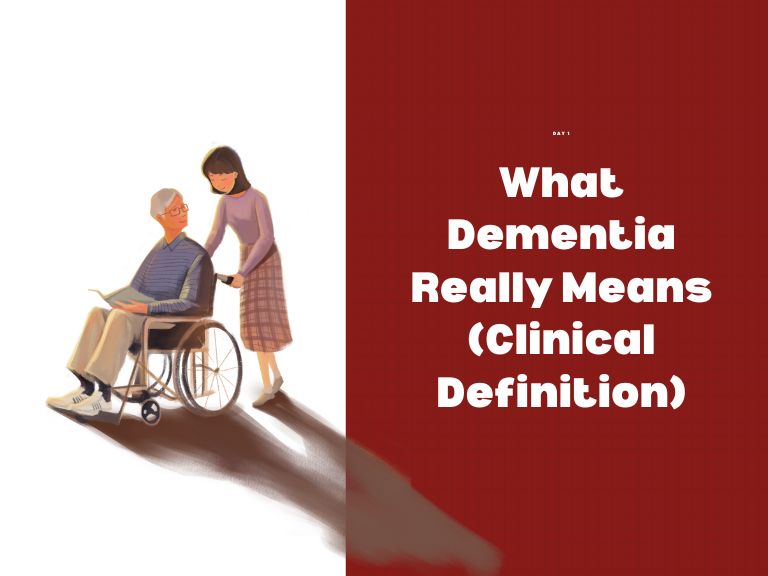
WHAT DEMENTIA REALLY MEANS (CLINICAL DEFINITION)
Many people wrongly believe dementia simply means:
“Poor memory” or “old age forgetfulness.”
Clinically, dementia is far more serious than that.
Dementia is a progressive neurocognitive syndrome that affects a person’s ability to think, remember, reason, communicate, behave, and function independently.
The word “progressive” is important.
It means the condition usually:
➤ Worsens over time
➤ Gradually damages brain function
➤ Reduces independence
➤ Affects daily living abilities
Dementia happens because brain cells become damaged or destroyed.
As brain cells die:
➤ Communication between parts of the brain becomes disrupted
➤ Memory becomes impaired
➤ Judgment weakens
➤ Personality may change
➤ Normal functioning becomes difficult
This is why a person with dementia may:
✔️ Forget familiar people
✔️ Repeat the same questions
✔️ Get lost in familiar places
✔️ Become confused about time or location
✔️ Struggle with communication
✔️ Show aggression or fear
✔️ Lose the ability to perform simple tasks
Dementia is not a single disease.
It is an umbrella term used for conditions that cause cognitive decline.
Examples include:
➤ Alzheimer’s Disease
➤ Vascular Dementia
➤ Lewy Body Dementia
➤ Frontotemporal Dementia
For a condition to be considered dementia clinically, the cognitive decline must be severe enough to interfere with:
➤ Work
➤ Social interaction
➤ Safety
➤ Daily activities
➤ Independent living
This includes difficulties with:
✔️ Eating
✔️ Dressing
✔️ Managing money
✔️ Taking medications
✔️ Personal hygiene
✔️ Communication
Normal aging is not the same as dementia.
A healthy older adult may occasionally forget names but remember them later.
But in dementia:
✖️ Memory loss becomes persistent
✖️ Confusion increases
✖️ Function declines progressively
Another important point:
Dementia does not only affect memory.
It can also affect:
➤ Emotions
➤ Behavior
➤ Personality
➤ Movement
➤ Sleep
➤ Decision-making
➤ Understanding reality
Some patients may even experience:
➤ Hallucinations
➤ Delusions
➤ Severe agitation
➤ Wandering behaviors
As healthcare professionals and support workers, you must understand this deeply:
A dementia patient is not “being difficult.”
The brain itself is changing.
The confusion is real.
The fear is real.
The frustration is real.
And proper care begins when caregivers stop seeing dementia as stubbornness…
…and start recognizing it as neurological decline.
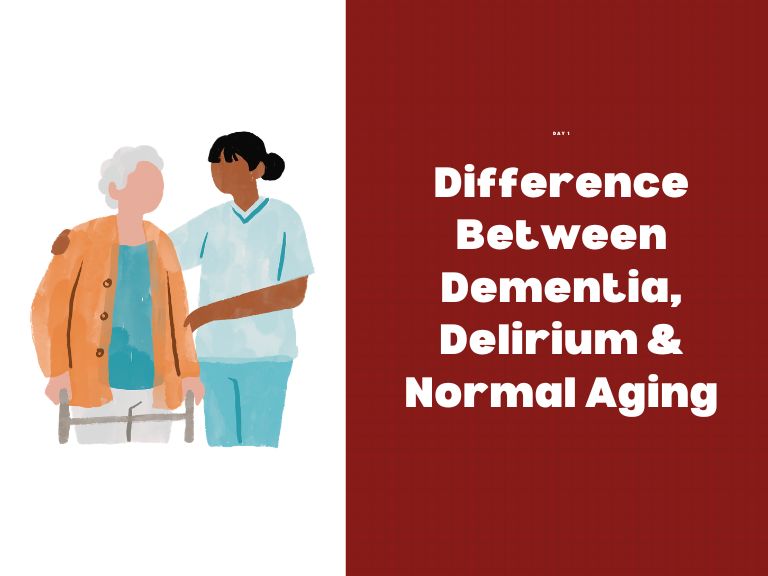
DIFFERENCE BETWEEN DEMENTIA, DELIRIUM & NORMAL AGING
One of the most dangerous mistakes in healthcare is confusing:
➤ Dementia
➤ Delirium
➤ Normal aging
Why?
Because the wrong assumption can delay treatment…
…and sometimes cost a life.
A confused elderly patient is not always “just getting old.”
Sometimes it is dementia.
Sometimes it is a medical emergency.
- NORMAL AGING
Normal aging causes mild slowing of memory and thinking.
Examples:
✔️ Occasionally forgetting names
✔️ Misplacing items sometimes
✔️ Taking longer to learn new things
✔️ Mild forgetfulness that improves later
But the person can still:
✔️ Function independently
✔️ Make decisions
✔️ Recognize people
✔️ Manage daily activities
Most importantly:
Normal aging does not severely affect daily functioning.
The brain slows slightly…
…but it does not significantly break down.
- DEMENTIA
Dementia is usually:
➤ Gradual
➤ Progressive
➤ Long-term
➤ Irreversible in many cases
Symptoms develop slowly over months or years.
The patient may:
✔️ Forget familiar faces
✔️ Repeat conversations constantly
✔️ Become disoriented
✔️ Struggle with speech
✔️ Show personality changes
✔️ Lose ability to perform daily tasks
Unlike normal aging:
✖️ Dementia interferes with independent living.
The decline continues progressively.
A person with dementia may appear physically healthy…
while mentally becoming increasingly impaired.
- DELIRIUM
Delirium is different — and extremely important.
Delirium is a sudden change in mental state caused by an underlying medical problem.
It is often:
➤ Rapid in onset
➤ Severe
➤ Fluctuating
➤ Potentially reversible
Causes may include:
➤ Infection
➤ Dehydration
➤ Medication reactions
➤ Fever
➤ Stroke
➤ Low oxygen levels
➤ Organ failure
A patient with delirium may suddenly:
✔️ Become extremely confused
✔️ See things that are not there
✔️ Become restless or aggressive
✔️ Struggle to stay awake
✔️ Lose attention quickly
The key word is:
Sudden.
A patient who was mentally stable yesterday…
but becomes severely confused today…
may be experiencing delirium.
And delirium can become life-threatening if ignored.
Major Clinical Difference
➤ Normal Aging → Mild slowing, functioning preserved
➤ Dementia → Slow progressive decline
➤ Delirium → Sudden acute confusion
Another Critical Difference
Patients with delirium often have:
✔️ Poor attention
✔️ Fluctuating consciousness
✔️ Rapid changes throughout the day
Dementia patients usually remain alert in early stages, even when memory is impaired.
This distinction matters because:
Delirium is a medical emergency.
A caregiver who ignores sudden confusion may miss:
✖️ Sepsis
✖️ Stroke
✖️ Medication toxicity
✖️ Severe dehydration
As healthcare workers, never assume:
“He is old, so confusion is normal.”
Always ask:
➤ When did it start?
➤ How sudden was the change?
➤ Is the condition fluctuating?
➤ Could there be an underlying medical cause?
Sometimes the difference between proper care and deadly neglect…
is simply recognizing that sudden confusion is not “normal aging.”
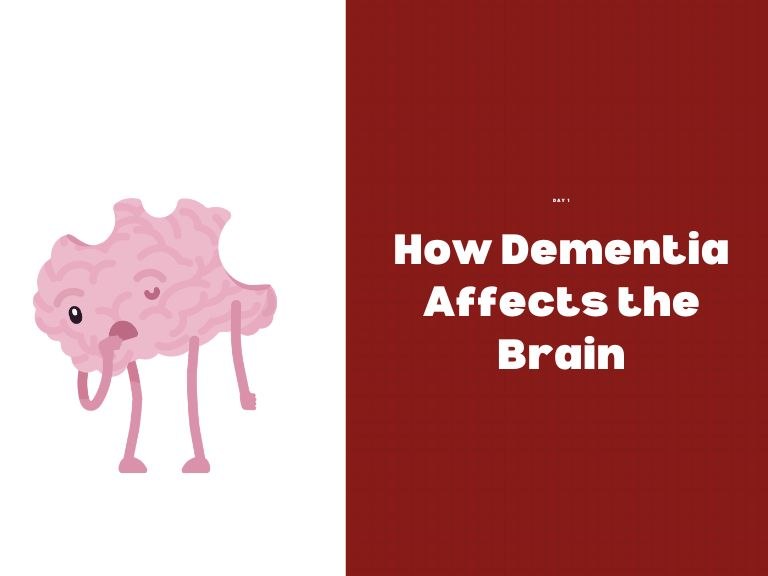
HOW DEMENTIA AFFECTS THE BRAIN
To understand dementia properly, you must understand one thing:
Dementia is a disease of brain damage.
The behaviors you see externally:
➤ Memory loss
➤ Aggression
➤ Confusion
➤ Wandering
➤ Personality changes
…are happening because the brain itself is gradually deteriorating.
The human brain controls:
✔️ Memory
✔️ Emotions
✔️ Language
✔️ Judgment
✔️ Movement
✔️ Decision-making
✔️ Recognition
✔️ Behavior
When dementia damages the brain, these functions begin to fail.
What Happens Inside the Brain?
Healthy brain cells communicate through electrical and chemical signals.
In dementia:
✖️ Brain cells become damaged
✖️ Connections between neurons weaken
✖️ Brain tissue gradually shrinks
✖️ Some brain cells die permanently
As this damage spreads:
➤ Communication inside the brain becomes disrupted
➤ Thinking slows down
➤ Information processing becomes difficult
➤ Memory storage weakens
This is why a dementia patient may:
✔️ Ask the same question repeatedly
✔️ Forget recent conversations
✔️ Become confused in familiar places
✔️ Struggle to recognize family members
Different Parts of the Brain Are Affected
Different dementia types damage different brain areas.
For example:
➤ Hippocampus
Controls memory formation.
Damage here causes forgetfulness and poor short-term memory.
➤ Frontal Lobe
Controls judgment, behavior, emotions, and decision-making.
Damage may cause aggression, impulsiveness, or personality changes.
➤ Temporal Lobe
Helps with language and understanding.
Damage can affect speech and communication.
➤ Parietal Lobe
Helps with awareness and coordination.
Damage may cause confusion about space or direction.
As dementia progresses, more areas become affected.
This is why symptoms often worsen over time.
Brain Shrinkage & Neurodegeneration
In many forms of dementia:
➤ Brain tissue physically shrinks
➤ Neurons die gradually
➤ The brain loses volume over time
This process is called:
Neurodegeneration.
Once many brain cells die, they usually cannot regenerate.
That is why many dementias are progressive.
Abnormal Proteins in the Brain
In conditions like Alzheimer’s disease:
➤ Abnormal proteins build up inside the brain
➤ These proteins disrupt normal brain function
➤ Brain cells become damaged and die
Two major proteins commonly discussed are:
✔️ Amyloid plaques
✔️ Tau tangles
You do not need to memorize complex neuroscience…
but you must understand this:
The disease is physically damaging the brain.
The patient is not “pretending.”
The confusion is not intentional.
The behavioral changes are often neurological.
Why Behavior Changes Happen
Families sometimes ask:
“Why has this person changed so much?”
The answer is painful:
➤ The brain regions controlling personality and emotional regulation may be deteriorating.
A calm person may become aggressive.
A confident person may become fearful.
A loving parent may suddenly fail to recognize their child.
This emotional impact affects:
✔️ Patients
✔️ Families
✔️ Caregivers
✔️ Healthcare workers
And this is why advanced dementia care requires:
➤ Patience
➤ Clinical understanding
➤ Observation skills
➤ Emotional intelligence
Never forget:
You are not only caring for a patient with memory problems.
You are caring for a brain that is gradually losing its ability to interpret reality normally.
STAGES OF DEMENTIA PROGRESSION
Dementia is usually not a condition that appears overnight.
In most cases, it develops slowly…
and worsens gradually over time.
This worsening process is called:
Dementia progression.
Understanding the stages is important because:
➤ Care needs change over time
➤ Risks increase as the disease progresses
➤ Families often struggle emotionally during each stage
➤ Healthcare workers must adjust care approaches accordingly
Although progression differs from person to person, dementia is commonly grouped into:
✔️ Mild Stage
✔️ Moderate Stage
✔️ Severe Stage
- MILD DEMENTIA (EARLY STAGE)
This is the stage many people ignore or misunderstand.
The patient may still:
✔️ Walk independently
✔️ Hold conversations
✔️ Perform some daily tasks
But subtle cognitive decline has already started.
Common signs include:
➤ Forgetting recent conversations
➤ Misplacing items frequently
➤ Repeating questions
➤ Difficulty concentrating
➤ Mild confusion with dates or appointments
➤ Trouble finding words during conversations
Some patients become aware something is wrong.
This awareness may lead to:
➤ Anxiety
➤ Depression
➤ Fear
➤ Frustration
Families often dismiss symptoms as:
“Just old age.”
But early recognition is extremely important.
- MODERATE DEMENTIA (MIDDLE STAGE)
This is usually the longest stage…
and often the most emotionally difficult for caregivers.
Brain damage becomes more noticeable.
The patient may:
✔️ Forget close relatives
✔️ Become disoriented easily
✔️ Wander from home
✔️ Struggle with dressing or bathing
✔️ Show aggression or agitation
✔️ Experience hallucinations or delusions
✔️ Have sleep disturbances
Communication also worsens.
The person may:
➤ Lose words during conversations
➤ Struggle to follow instructions
➤ Become confused by simple tasks
Behavioral symptoms often increase during this stage.
Some patients may:
✖️ Accuse family members falsely
✖️ Become paranoid
✖️ Resist care
✖️ Become physically aggressive
At this point, supervision becomes increasingly necessary.
Safety risks rise significantly:
➤ Falls
➤ Medication errors
➤ Wandering
➤ Self-neglect
➤ Poor nutrition
Many families become exhausted during this stage.
Caregiver burnout is very common.
- SEVERE DEMENTIA (LATE STAGE)
In severe dementia, the brain has experienced major damage.
The patient may lose the ability to:
✖️ Recognize loved ones
✖️ Communicate properly
✖️ Walk independently
✖️ Swallow safely
✖️ Control bladder or bowel function
✖️ Perform basic self-care
Many become fully dependent on caregivers.
Common complications include:
➤ Immobility
➤ Pressure ulcers
➤ Infections
➤ Aspiration pneumonia
➤ Malnutrition
➤ Severe frailty
Speech may become very limited…
or disappear completely.
Some patients may only communicate through:
✔️ Facial expressions
✔️ Sounds
✔️ Restlessness
✔️ Body movements
At this stage, care becomes highly intensive.
Healthcare workers must focus heavily on:
➤ Comfort
➤ Dignity
➤ Safety
➤ Pain management
➤ Nutrition support
➤ Infection prevention
Important Clinical Reality
Not all patients progress at the same speed.
Some deteriorate slowly over many years.
Others decline rapidly.
Factors affecting progression may include:
➤ Type of dementia
➤ Age
➤ Other medical conditions
➤ Stroke history
➤ Infections
➤ Overall health status
As caregivers and healthcare professionals, one important lesson must remain clear:
A dementia patient is not “becoming lazy.”
The brain is progressively losing function.
And with each stage…
the patient loses more independence, more certainty, and sometimes even their sense of identity.
This is why dementia care is not just physical care.
It is also:
➤ Emotional care
➤ Psychological support
➤ Safety management
➤ Human dignity preservation
UNDERSTANDING ALZHEIMER’S DISEASE
When many people hear the word “dementia,” what they are often referring to is:
Alzheimer’s disease.
Alzheimer’s disease is the most common cause of dementia worldwide.
It is a progressive neurodegenerative disease that slowly destroys brain cells and affects:
➤ Memory
➤ Thinking
➤ Language
➤ Judgment
➤ Behavior
➤ Daily functioning
The disease usually develops gradually…
often over several years.
At first, the symptoms may appear mild.
But over time, the damage becomes severe enough to interfere with normal life.
What Happens in Alzheimer’s Disease?
Inside the brain:
➤ Abnormal proteins build up
➤ Brain cell communication becomes disrupted
➤ Neurons gradually die
➤ Brain tissue shrinks over time
Two important abnormal protein changes commonly linked to Alzheimer’s are:
✔️ Amyloid plaques
✔️ Tau tangles
These protein abnormalities damage healthy brain cells and interfere with normal brain function.
The damage often starts in areas responsible for:
➤ Short-term memory
➤ Learning
➤ Information processing
This is why one of the earliest signs is usually:
Memory impairment.
Common Early Symptoms
A person with early Alzheimer’s may:
✔️ Repeat the same questions
✔️ Forget recent conversations
✔️ Misplace items frequently
✔️ Forget appointments
✔️ Become confused about time or dates
✔️ Struggle to learn new information
Families often say:
“He keeps forgetting things.”
“She repeats herself every day.”
As the disease progresses, symptoms become more severe.
Moderate Stage Symptoms
The patient may begin to:
➤ Forget familiar people
➤ Wander or get lost
➤ Struggle with speech
➤ Become suspicious or paranoid
➤ Show aggression or agitation
➤ Need help with dressing or bathing
Behavioral and emotional changes become more obvious.
Some patients experience:
✔️ Depression
✔️ Anxiety
✔️ Hallucinations
✔️ Delusions
✔️ Sleep disturbances
Late-Stage Alzheimer’s Disease
In advanced stages:
✖️ Communication becomes severely impaired
✖️ Mobility declines
✖️ Swallowing difficulties may develop
✖️ Full dependency often occurs
The patient may eventually:
➤ Become bedridden
➤ Lose bladder and bowel control
➤ Fail to recognize family members
➤ Require total care support
At this point, complications such as:
➤ Infections
➤ Aspiration pneumonia
➤ Malnutrition
➤ Pressure ulcers
…become major clinical concerns.
Risk Factors for Alzheimer’s Disease
Several factors may increase risk:
➤ Advanced age
➤ Family history
➤ Hypertension
➤ Diabetes
➤ Smoking
➤ Cardiovascular disease
➤ Physical inactivity
➤ Poor lifestyle habits
Age is the biggest risk factor…
but Alzheimer’s is not a normal part of aging.
Important Clinical Reality
There is currently no complete cure for Alzheimer’s disease.
However:
✔️ Early detection
✔️ Proper support
✔️ Structured care
✔️ Cognitive stimulation
✔️ Medical management
✔️ Safe environments
…can improve quality of life significantly.
As healthcare workers and caregivers, you must understand something deeply:
A patient with Alzheimer’s is not “trying to be difficult.”
The brain is slowly losing its ability to:
➤ Store memories
➤ Understand surroundings
➤ Process information
➤ Recognize reality normally
Imagine waking up daily in a world that no longer makes sense.
That fear…
that confusion…
that frustration…
…is the hidden reality many Alzheimer’s patients live with every day.
And sometimes, the greatest treatment you can offer is not medication alone…
…but patience, reassurance, safety, and dignity.
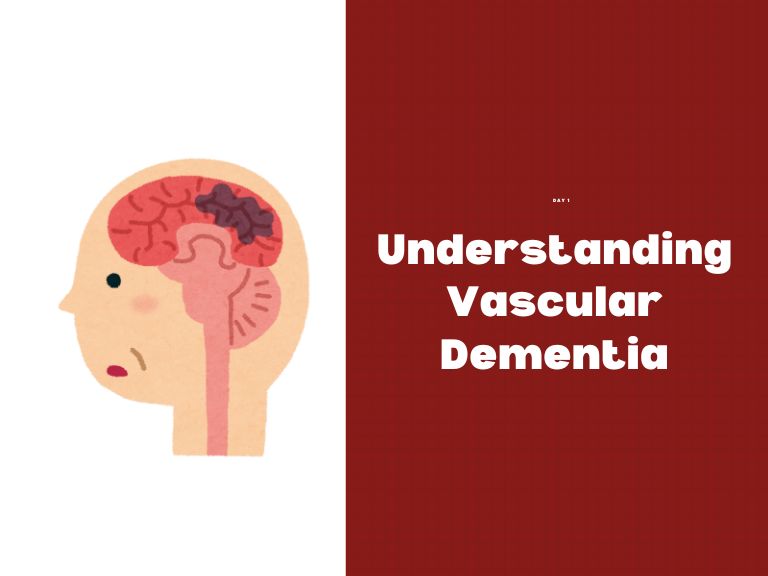
UNDERSTANDING VASCULAR DEMENTIA
Not all dementia begins with memory loss alone.
Some forms begin after:
➤ Stroke
➤ Poor blood circulation
➤ Damage to blood vessels in the brain
This type is called:
Vascular Dementia.
Vascular dementia is the second most common cause of dementia after Alzheimer’s disease.
It happens when blood flow to parts of the brain becomes reduced or blocked.
Without enough oxygen and nutrients:
✖️ Brain cells become damaged
✖️ Some brain tissue dies
✖️ Cognitive function declines
In simple terms:
The brain is being injured by poor circulation.
Common Causes of Vascular Dementia
➤ Stroke
➤ Multiple mini-strokes
➤ Chronic hypertension
➤ Diabetes
➤ Heart disease
➤ High cholesterol
➤ Smoking-related vascular damage
Many patients have a history of:
✔️ High blood pressure
✔️ Cardiovascular disease
✔️ Previous stroke episodes
This is why vascular dementia is strongly connected to overall vascular health.
How Vascular Dementia Differs from Alzheimer’s Disease
Alzheimer’s often develops slowly and gradually.
But vascular dementia may sometimes appear:
➤ Suddenly
➤ In steps
➤ After a stroke or medical event
Some patients worsen noticeably after each stroke episode.
This is called:
Stepwise decline.
A patient may remain stable for some time…
then suddenly deteriorate again.
Common Symptoms
Symptoms depend on:
➤ Which brain areas are damaged
➤ Severity of vascular injury
➤ Number of affected blood vessels
Patients may experience:
✔️ Poor concentration
✔️ Slowed thinking
✔️ Memory problems
✔️ Confusion
✔️ Poor judgment
✔️ Difficulty planning tasks
✔️ Mood changes
Unlike Alzheimer’s disease, early vascular dementia may affect:
➤ Attention
➤ Organization
➤ Decision-making
…before severe memory loss appears.
Some patients may also show:
➤ Depression
➤ Emotional instability
➤ Apathy
➤ Irritability
Physical Symptoms May Also Occur
Because vascular dementia is linked to brain circulation problems, some patients may have:
✔️ Weakness on one side of the body
✔️ Difficulty walking
✔️ Poor balance
✔️ Slowed movement
✔️ Speech problems
These physical signs are often more noticeable than in early Alzheimer’s disease.
Major Risk Factors
Many risk factors are preventable.
Important ones include:
➤ Hypertension
➤ Smoking
➤ Obesity
➤ Diabetes
➤ Sedentary lifestyle
➤ Excess alcohol use
➤ High cholesterol
This means prevention is extremely important.
Protecting vascular health can also help protect brain health.
Why Early Recognition Matters
A patient with vascular dementia may continue worsening if underlying medical conditions are ignored.
Uncontrolled:
✖️ Blood pressure
✖️ Diabetes
✖️ Heart disease
…can increase further brain damage.
This is why treatment often focuses on:
✔️ Stroke prevention
✔️ Blood pressure control
✔️ Managing cardiovascular disease
✔️ Lifestyle improvement
✔️ Cognitive support
Important Emotional Reality
Many vascular dementia patients become frustrated because they notice:
➤ Their thinking slowing down
➤ Their independence reducing
➤ Their abilities changing suddenly
Some may appear emotionally withdrawn.
Others may become angry or depressed.
Families also struggle because decline may feel unpredictable.
As healthcare workers and caregivers, remember:
A stroke may damage a part of the brain…
…but dementia can slowly affect the person’s entire way of living.
The patient may not only lose memory.
They may lose:
➤ Confidence
➤ Independence
➤ Emotional stability
➤ Sense of control over life
And compassionate care becomes just as important as medical management.
LEWY BODY DEMENTIA DEMENTIA
Not all dementia looks the same.
Some patients mainly lose memory.
Others develop:
➤ Hallucinations
➤ Severe behavior changes
➤ Personality shifts
➤ Movement problems
This is why healthcare workers must understand the different dementia types properly.
Two important forms are:
✔️ Lewy Body Dementia (LBD)
✔️ Frontotemporal Dementia (FTD)
Both can be very distressing for families…
because the symptoms often appear unusual, frightening, or misunderstood.
LEWY BODY DEMENTIA (LBD)
Lewy Body Dementia is caused by abnormal protein deposits called:
Lewy bodies.
These deposits damage brain cells and affect:
➤ Thinking
➤ Movement
➤ Attention
➤ Sleep
➤ Perception
LBD shares features with:
✔️ Dementia
✔️ Parkinson’s disease
✔️ Psychiatric disorders
This sometimes leads to misdiagnosis.
Common Symptoms of Lewy Body Dementia
➤ Visual hallucinations
➤ Fluctuating confusion
➤ Parkinson-like movement problems
➤ Tremors or stiffness
➤ Poor balance
➤ Sleep disturbances
➤ Attention problems
One major feature is:
Fluctuation.
A patient may appear:
✔️ Alert and stable in the morning
…but severely confused later in the day.
Families often become confused themselves:
“Sometimes he seems normal… sometimes he doesn’t.”
Hallucinations Are Very Common
Patients may:
➤ See people who are not there
➤ Talk to imaginary figures
➤ Become frightened by things others cannot see
To the patient:
The hallucination feels real.
Arguing aggressively may worsen fear or agitation.
Another important feature:
Patients with LBD can react very badly to some antipsychotic medications.
This can cause:
✖️ Severe rigidity
✖️ Sedation
✖️ Medical deterioration
Healthcare workers must therefore handle medication carefully.
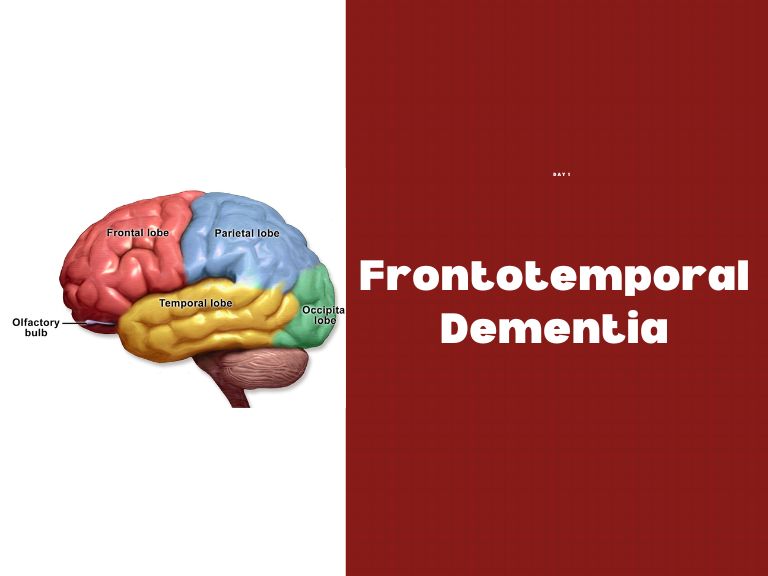
FRONTOTEMPORAL DEMENTIA (FTD)
Frontotemporal Dementia affects the:
➤ Frontal lobes
➤ Temporal lobes
These brain areas control:
✔️ Personality
✔️ Behavior
✔️ Emotional regulation
✔️ Language
✔️ Judgment
Unlike Alzheimer’s disease, memory may initially remain relatively normal.
Instead, behavior changes become the first major sign.
Common Symptoms of FTD
➤ Loss of social boundaries
➤ Inappropriate behavior
➤ Emotional coldness
➤ Poor judgment
➤ Impulsiveness
➤ Aggression
➤ Reduced empathy
➤ Compulsive behaviors
Families are often shocked because:
The person’s personality may seem completely different.
A calm person may suddenly become:
➤ Rude
➤ Reckless
➤ Emotionally detached
➤ Socially inappropriate
Some patients lose awareness that anything is wrong.
Others may develop severe language difficulties.
They may:
✔️ Struggle to find words
✔️ Speak less
✔️ Lose understanding of language gradually
Because symptoms can begin at younger ages, FTD is sometimes mistaken for:
➤ Mental illness
➤ Substance abuse
➤ Personality problems
Important Clinical Difference
➤ Lewy Body Dementia often presents with:
✔️ Hallucinations
✔️ Movement problems
✔️ Fluctuating confusion
➤ Frontotemporal Dementia often presents with:
✔️ Major behavior changes
✔️ Personality changes
✔️ Language difficulties
Why This Matters in Caregiving
Families may wrongly assume:
✖️ The patient is “acting stubborn”
✖️ The behavior is intentional
✖️ The person is becoming wicked or careless
But the reality is:
The disease is affecting brain regions responsible for behavior, perception, and emotional control.
As healthcare workers and support professionals, your role is not only medical.
It is also to:
➤ Reduce fear
➤ Preserve dignity
➤ Prevent escalation
➤ Educate families
➤ Respond professionally to difficult behaviors
Never forget:
Sometimes dementia does not first destroy memory…
Sometimes it first changes:
➤ Personality
➤ Reality perception
➤ Emotional control
➤ Human behavior itself.
Bisi Ogunleye, a Nigerian dementia support worker working in a care home in Glasgow, Scotland, was assigned to support two different patients with unusual dementia symptoms.
One patient, Mr. Harold Benson, an elderly retired engineer, often frightened staff members because he constantly claimed to see “children playing in his room” late at night.
Sometimes he spoke to people nobody else could see.
One evening, he suddenly became terrified and shouted:
“Please get that man out of my room!”
But there was nobody there.
Some staff members assumed he was “pretending” or becoming mentally unstable.
However, Bisi understood that hallucinations in Lewy Body Dementia often feel completely real to the patient.
Instead of arguing, she calmly reassured him:
“You are safe, Mr. Benson. I am here with you.”
Oddly, the next morning, Mr. Benson appeared calm and almost normal again.
Later that same day, however, he became severely confused and struggled to walk steadily.
His hands also trembled noticeably.
————————–
Another patient, Mrs. Claire Donovan, showed very different symptoms.
Unlike many dementia patients, her memory was still fairly good.
But her personality had changed dramatically.
Her family became shocked because the once-kind woman had suddenly become:
✖️ Rude
✖️ Emotionally cold
✖️ Aggressive
✖️ Socially inappropriate
She insulted visitors openly and laughed at upsetting situations without remorse.
Sometimes she removed clothing in inappropriate public areas of the facility without understanding why others were upset.
She also struggled increasingly to find the right words during conversations.
Her family cried while speaking to Bisi:
“This is not the mother we knew.”
Bisi understood that Frontotemporal Dementia can severely affect personality, judgment, behavior, and language before major memory loss appears.
Not all dementia begins with memory loss.
Some dementia types first affect:
✔️ Behavior
✔️ Personality
✔️ Movement
✔️ Hallucinations
✔️ Emotional control
Professional caregivers must respond with:
✔️ Patience
✔️ Observation
✔️ Calm communication
✔️ Dignity-focused care
MIXED DEMENTIA
One of the biggest misconceptions about dementia is this:
“Only very old people develop dementia.”
Clinically, that is not always true.
Some patients develop dementia:
➤ Before old age
➤ Through multiple brain diseases at once
➤ With symptoms that confuse even families and healthcare workers
This is why understanding:
✔️ Mixed Dementia
✔️ Young-Onset Dementia
…is extremely important in advanced dementia care.
━━━━━━━━━━━━━━━
MIXED DEMENTIA
Mixed dementia occurs when:
More than one type of dementia affects the brain at the same time.
The most common combination is:
➤ Alzheimer’s disease
PLUS
➤ Vascular dementia
This means the brain may be affected by:
✔️ Neurodegeneration
✔️ Poor blood circulation
✔️ Stroke-related damage
…simultaneously.
In simple terms:
The brain is fighting multiple forms of injury at once.
Why Mixed Dementia Is Important
Symptoms may appear:
➤ More complex
➤ Less predictable
➤ Faster progressing
A patient may show:
✔️ Memory loss
✔️ Poor judgment
✔️ Physical weakness
✔️ Mood changes
✔️ Wandering
✔️ Confusion
✔️ Behavioral disturbances
Some symptoms may resemble Alzheimer’s disease…
while others resemble vascular dementia.
For example:
➤ A patient may have progressive memory decline
AND
➤ Sudden worsening after a stroke episode
This overlap can make diagnosis difficult.
Common Risk Factors
➤ Hypertension
➤ Diabetes
➤ Stroke history
➤ Cardiovascular disease
➤ Advanced age
➤ Smoking
➤ Poor vascular health
Because multiple disease processes are involved, care often becomes more challenging.
Patients may deteriorate more rapidly…
and require higher levels of support.
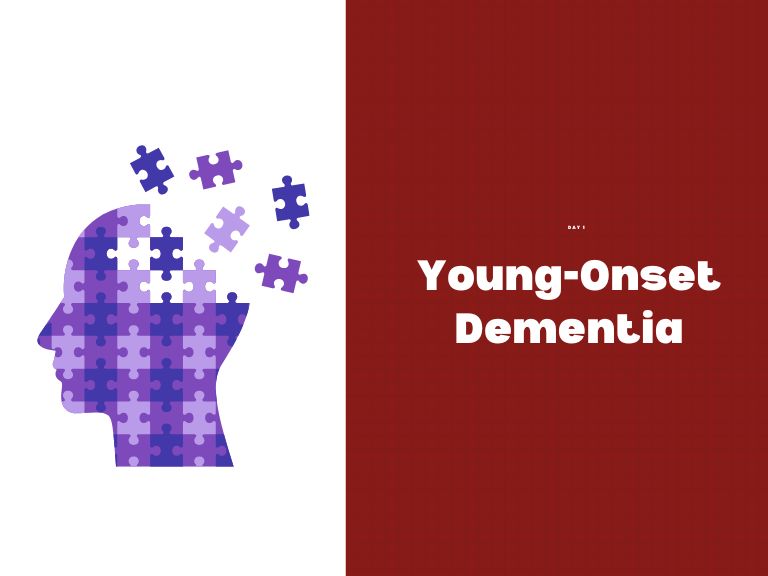
YOUNG-ONSET DEMENTIA
Young-Onset Dementia refers to dementia developing:
Before the age of 65.
Some patients develop symptoms in:
➤ Their 40s
➤ Their 50s
➤ Early 60s
This often shocks families because dementia is usually associated with older adults.
Common Causes of Young-Onset Dementia
➤ Alzheimer’s disease
➤ Frontotemporal Dementia (FTD)
➤ Genetic disorders
➤ Brain injuries
➤ Alcohol-related brain damage
➤ Neurological diseases
Because the person may still appear physically active and younger, symptoms are often misunderstood.
Families may assume:
✖️ Stress
✖️ Depression
✖️ Burnout
✖️ Mental illness
✖️ “Bad behavior”
…instead of recognizing dementia.
Common Symptoms
➤ Memory problems
➤ Personality changes
➤ Reduced work performance
➤ Poor concentration
➤ Difficulty planning tasks
➤ Emotional instability
➤ Communication problems
Some patients may lose employment before diagnosis is made.
Others may face:
➤ Relationship breakdown
➤ Financial stress
➤ Social isolation
The emotional impact can be devastating because:
➤ Careers may be interrupted
➤ Young children may still depend on the patient
➤ Family responsibilities may remain high
Clinical & Emotional Challenges
Young-Onset Dementia often creates intense emotional distress.
Many patients are aware something is wrong.
Imagine:
➤ Forgetting work responsibilities
➤ Losing cognitive ability while still employed
➤ Struggling to recognize personal decline at a younger age
This can lead to:
✔️ Anxiety
✔️ Anger
✔️ Depression
✔️ Fear
✔️ Hopelessness
Families also struggle because:
They are not emotionally prepared for dementia at a younger age.
Important Professional Lesson
As healthcare workers and caregivers:
Never assume dementia only affects the “very elderly.”
And never assume unusual behavior in middle-aged adults is simply:
✖️ Stress
✖️ Attitude problems
✖️ Mental weakness
Sometimes the brain itself is already undergoing serious neurological decline.
Whether dementia occurs at:
➤ Age 45
➤ Age 65
➤ Age 85
…the human impact remains profound.
Because dementia does not only affect memory.
It can affect:
➤ Careers
➤ Families
➤ Relationships
➤ Identity
➤ Independence
➤ Entire futures.
RISK FACTORS & CAUSES OF DEMENTIA
Dementia does not happen “by magic.”
In many cases, certain factors slowly damage the brain over time…
until cognitive decline begins to appear.
Some risk factors cannot be changed.
Others can be controlled.
Understanding these factors is extremely important because:
Prevention and early intervention may reduce risk in some individuals.
━━━━━━━━━━━━━━━
WHAT CAUSES DEMENTIA?
Dementia develops when brain cells become damaged or destroyed.
This damage may happen because of:
➤ Neurodegenerative disease
➤ Reduced blood flow to the brain
➤ Brain injury
➤ Infection
➤ Toxic substances
➤ Chronic medical conditions
Different dementia types have different causes.
For example:
✔️ Alzheimer’s disease → abnormal brain protein buildup
✔️ Vascular dementia → blood vessel damage and stroke
✔️ Lewy Body Dementia → Lewy body protein deposits
✔️ Alcohol-related dementia → chronic alcohol brain damage
Regardless of the cause:
The result is progressive impairment of brain function.
NON-MODIFIABLE RISK FACTORS
(Factors That Cannot Be Changed)
➤ Advanced Age
The risk of dementia increases with age because the brain becomes more vulnerable to damage over time.
However:
Dementia is NOT a normal part of aging.
➤ Family History & Genetics
Some individuals inherit genes that increase dementia risk.
A family history does not guarantee dementia…
but it may increase susceptibility.
➤ Certain Neurological Conditions
Diseases affecting the brain may increase risk of cognitive decline later.
MODIFIABLE RISK FACTORS
(Factors That Can Often Be Controlled)
These are extremely important because many are linked to lifestyle and medical management.
➤ Hypertension (High Blood Pressure)
Chronic hypertension damages blood vessels in the brain and increases stroke risk.
➤ Diabetes
Poor blood sugar control can damage blood vessels and brain tissue over time.
➤ Smoking
Smoking reduces oxygen delivery and damages vascular health.
➤ Excess Alcohol Use
Long-term alcohol misuse can directly injure brain cells.
➤ Obesity
Obesity increases risk for cardiovascular disease and metabolic dysfunction.
➤ High Cholesterol
Can contribute to vascular damage and reduced brain circulation.
➤ Physical Inactivity
Poor physical activity is linked to reduced cardiovascular and brain health.
➤ Poor Diet
Nutritional imbalance may affect long-term brain function.
➤ Social Isolation
Lack of social interaction may increase cognitive decline risk.
➤ Depression
Long-term untreated depression may affect cognitive functioning.
OTHER POSSIBLE CONTRIBUTORS
➤ Repeated head injuries
➤ Stroke history
➤ Chronic stress
➤ Sleep disorders
➤ Untreated hearing loss
➤ Certain infections affecting the brain
Important Clinical Reality
Not every person with risk factors develops dementia.
And some individuals with no obvious risk factors may still develop it.
But many dementia cases are linked to:
➤ Long-term vascular damage
➤ Poor health management
➤ Chronic brain injury processes
This is why prevention matters.
Protecting the:
✔️ Heart
✔️ Blood vessels
✔️ Brain
✔️ Mental health
…can also help protect cognitive function.
Why This Matters for Healthcare Workers
As caregivers and healthcare professionals, you are not only caring for dementia patients.
You may also help prevent future cases through:
➤ Health education
➤ Lifestyle awareness
➤ Early screening
➤ Encouraging treatment adherence
➤ Identifying warning signs early
Sometimes the brain begins deteriorating silently years before diagnosis is made.
And sadly, many patients only seek help after severe decline has already started.
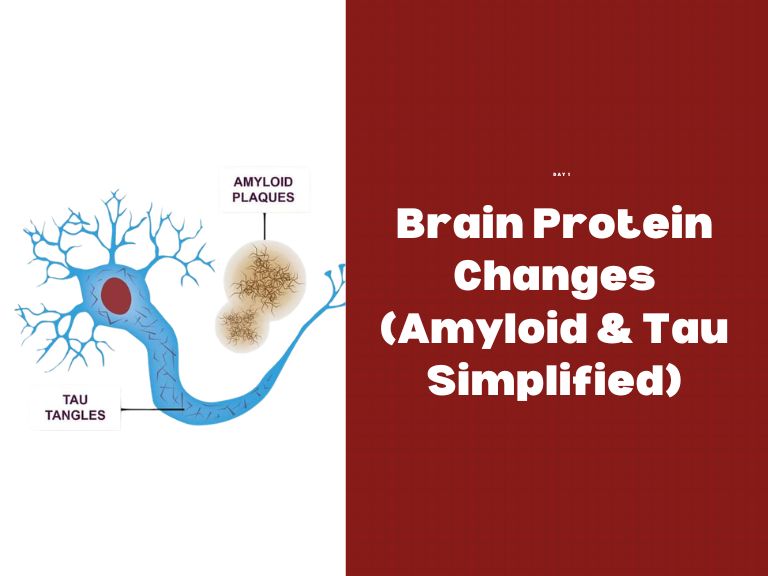
BRAIN PROTEIN CHANGES (AMYLOID & TAU SIMPLIFIED)
One of the biggest questions families ask is:
“What is actually happening inside the brain of a person with dementia?”
In conditions like Alzheimer’s disease, part of the answer involves:
➤ Abnormal protein buildup
➤ Brain cell damage
➤ Breakdown of communication between neurons
Two important proteins linked to Alzheimer’s disease are:
✔️ Amyloid
✔️ Tau
You do not need to become a neuroscientist to understand this.
But as healthcare workers and caregivers, you must understand the basic process behind the disease.
AMYLOID PLAQUES
The brain normally contains proteins that help cells function properly.
But in Alzheimer’s disease:
➤ Amyloid proteins begin to accumulate abnormally
➤ Sticky clumps form between brain cells
➤ These clumps are called amyloid plaques
Think of it like:
Garbage slowly piling up between communication lines in the brain.
As these plaques increase:
✖️ Brain cells struggle to communicate properly
✖️ Information processing becomes impaired
✖️ Memory function declines
This is one reason patients begin forgetting:
➤ Conversations
➤ Names
➤ Events
➤ Daily routines
The brain’s communication network slowly becomes disrupted.
TAU TANGLES
Inside healthy brain cells is another protein called:
Tau.
Normally, tau helps maintain the internal structure of brain cells.
But in Alzheimer’s disease:
➤ Tau proteins become abnormal
➤ They twist and tangle inside neurons
➤ These are called tau tangles
Instead of supporting the cell…
the tangled proteins damage it from within.
Over time:
✖️ The neuron weakens
✖️ Nutrient transport fails
✖️ The brain cell dies
So while amyloid affects communication between brain cells…
tau damages the cells from inside.
WHY THIS MATTERS
As plaques and tangles spread:
➤ More brain cells become damaged
➤ Brain shrinkage increases
➤ Cognitive decline worsens
This is why Alzheimer’s disease is progressive.
The damage does not stay in one place.
It gradually spreads through brain regions responsible for:
✔️ Memory
✔️ Language
✔️ Behavior
✔️ Judgment
✔️ Recognition
✔️ Decision-making
The Human Impact of This Damage
A patient may:
➤ Forget a child’s name
➤ Become confused inside their own home
➤ Lose ability to recognize familiar faces
➤ Forget how to perform basic tasks
Families often feel hurt or frustrated.
But the reality is:
The brain is physically changing.
The patient is not choosing confusion.
The disease is interfering with the brain’s ability to:
➤ Store information
➤ Process reality
➤ Maintain normal function
Important Clinical Reality
Scientists continue researching:
➤ Why these protein changes occur
➤ How to slow the process
➤ Possible future treatments
Current treatments may help manage symptoms…
but they do not completely stop protein buildup or reverse major brain damage.
This is why:
✔️ Early recognition
✔️ Supportive care
✔️ Cognitive stimulation
✔️ Structured environments
✔️ Compassionate caregiving
…remain extremely important.
Powerful Reality to Remember
A dementia patient may look physically present…
…but internally, billions of brain connections may already be slowly breaking down.
And every forgotten memory…
every confused moment…
every behavioral change…
…may reflect real biological damage happening inside the brain itself.
EARLY WARNING SIGNS & RED FLAGS
Dementia rarely begins dramatically.
In many cases, the early signs appear quietly…
subtly…
almost invisibly.
Families may laugh about it at first.
Friends may dismiss it.
Even patients themselves may try to hide it.
But early warning signs matter.
Because by the time severe symptoms appear…
significant brain damage may already have occurred.
As healthcare workers and caregivers, you must learn to recognize:
The red flags people often ignore.
COMMON EARLY WARNING SIGNS
➤ Persistent Memory Loss
Not occasional forgetfulness…
but repeated difficulty remembering recent information.
The person may:
✔️ Ask the same question repeatedly
✔️ Forget recent conversations
✔️ Depend heavily on reminders
✔️ Forget appointments constantly
Difficulty Performing Familiar Tasks
A person may suddenly struggle with activities they once handled easily.
Examples:
➤ Managing finances
➤ Cooking familiar meals
➤ Taking medications correctly
➤ Following simple instructions
Language & Communication Problems
The patient may:
✔️ Forget common words
✔️ Pause frequently during speech
✔️ Struggle to follow conversations
✔️ Use incorrect words repeatedly
Some become withdrawn because communication becomes frustrating.
Disorientation to Time & Place
The person may:
➤ Forget dates or seasons
➤ Get lost in familiar areas
➤ Become confused about location
➤ Forget why they entered a room
This confusion may initially happen occasionally…
then become more frequent.
Poor Judgment & Decision-Making
Examples may include:
➤ Giving away money carelessly
➤ Wearing inappropriate clothing for weather
➤ Ignoring hygiene
➤ Falling for scams easily
Judgment decline can create serious safety risks.
Changes in Personality or Behavior
This is one of the most emotionally painful signs for families.
A once calm person may become:
➤ Irritable
➤ Suspicious
➤ Aggressive
➤ Emotionally withdrawn
Others may lose empathy or social awareness.
Families often say:
“He is not behaving like himself anymore.”
Loss of Interest & Social Withdrawal
The person may:
✔️ Stop participating in activities
✔️ Avoid conversations
✔️ Withdraw socially
✔️ Lose motivation
This may sometimes be mistaken for depression alone.
Difficulty Following Instructions or Planning
The patient may struggle with:
➤ Organizing tasks
➤ Concentrating
➤ Following sequences
➤ Problem-solving
Complex tasks become overwhelming.
IMPORTANT RED FLAGS THAT REQUIRE URGENT ATTENTION
Some symptoms may suggest:
➤ Rapid decline
➤ Delirium
➤ Medical emergency
➤ Severe cognitive deterioration
Urgent red flags include:
✔️ Sudden severe confusion
✔️ Hallucinations
✔️ Wandering outside unsafely
✔️ Aggressive behavior changes
✔️ Sudden inability to communicate
✔️ Severe decline over short periods
✔️ Frequent falls
✔️ Refusal to eat or drink
✔️ Extreme sleepiness or unresponsiveness
These signs should never be ignored.
Why Families Often Miss Early Signs
Many families assume:
✖️ “It’s just stress.”
✖️ “Old age is causing it.”
✖️ “Everyone forgets sometimes.”
But dementia usually affects more than memory alone.
It affects:
➤ Functioning
➤ Judgment
➤ Communication
➤ Safety
➤ Personality
➤ Daily independence
Important Professional Lesson
As healthcare workers, your responsibility is not only to react to severe symptoms.
It is also to:
✔️ Observe early patterns
✔️ Identify red flags
✔️ Encourage assessment
✔️ Document changes properly
✔️ Escalate concerns when necessary
Sometimes the earliest signs are subtle whispers before the disease becomes a crisis.
And the sooner dementia is recognized…
…the better the opportunity for:
➤ Support
➤ Planning
➤ Treatment
➤ Safety management
➤ Preserving quality of life
Never underestimate “small changes” in cognition or behavior.
Because sometimes…
those small changes are the brain asking for help long before words can explain what is happening.
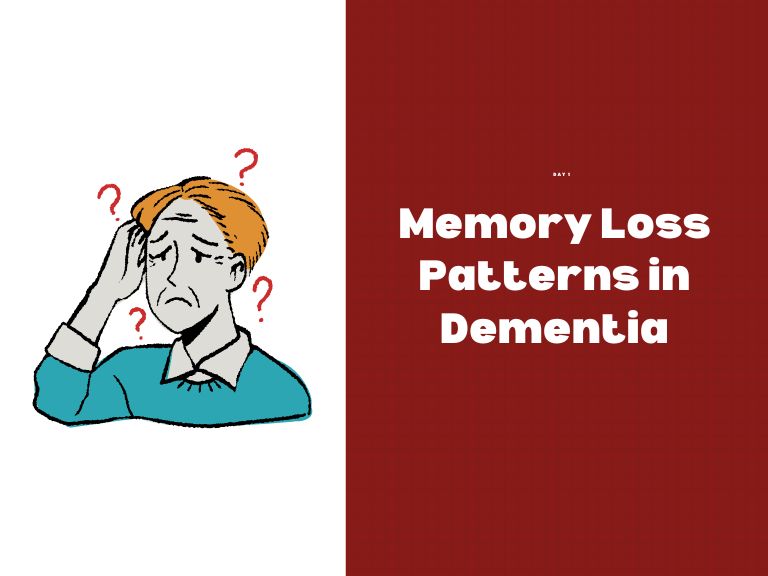
MEMORY LOSS PATTERNS IN DEMENTIA
Not all memory loss is the same.
One of the key skills in dementia care is learning to recognize:
How dementia-related memory loss usually presents.
Because dementia memory loss is not simply:
“I forgot where I kept my keys.”
It is deeper…
more persistent…
and progressively disruptive.
The Brain Stores Different Types of Memory
The brain handles:
➤ Short-term memory
➤ Long-term memory
➤ Procedural memory
➤ Emotional memory
In dementia, these memory systems do not usually fail at the same speed.
This creates recognizable memory loss patterns.
SHORT-TERM MEMORY IS OFTEN AFFECTED FIRST
In many dementia cases, especially Alzheimer’s disease:
Recent memory becomes impaired before older memories.
This means the patient may:
✔️ Forget what was said 10 minutes ago
✔️ Repeat questions repeatedly
✔️ Forget recent visitors
✔️ Forget meals they just ate
✔️ Forget appointments or recent events
But surprisingly…
They may still remember:
✔️ Childhood experiences
✔️ Old songs
✔️ Events from many years ago
Families often become confused by this.
“How can she remember something from 30 years ago…
but forget today’s conversation?”
The reason is:
Different brain areas store different types of memory.
Early dementia often damages regions responsible for forming new memories first.
REPETITION IS A MAJOR CLUE
A dementia patient may:
➤ Ask the same question repeatedly
➤ Tell the same story multiple times
➤ Forget that an answer was already given
This is not intentional annoyance.
The brain may simply fail to retain the new information.
So to the patient:
It feels like they are asking for the first time.
MEMORY GAPS MAY BE “FILLED IN”
Sometimes patients unknowingly create incorrect explanations for missing memories.
This is called:
Confabulation.
For example:
➤ A patient may insist they already ate when they did not
➤ Claim to have gone somewhere they never visited
➤ Create inaccurate stories around forgotten events
This is usually not deliberate lying.
The brain is attempting to make sense of memory gaps.
PROGRESSION OF MEMORY LOSS
As dementia worsens:
➤ Memory decline becomes more severe
➤ Recognition problems increase
➤ Familiar people may be forgotten
➤ Orientation becomes impaired
Patients may eventually:
✖️ Forget family members
✖️ Forget their own address
✖️ Forget how to use everyday objects
✖️ Forget important life events
In advanced stages, some may even:
➤ Fail to recognize themselves
➤ Become confused about reality
➤ Forget basic routines like eating or dressing
EMOTIONAL MEMORY MAY LAST LONGER
An important and emotional reality in dementia care is this:
Even when factual memory declines…
emotional memory may remain.
A patient may forget your name…
but still remember:
✔️ Kindness
✔️ Fear
✔️ Comfort
✔️ Harsh treatment
✔️ Safety
✔️ Emotional tone
This is why caregiver behavior matters deeply.
Important Clinical Observation
Dementia memory loss is usually:
➤ Persistent
➤ Progressive
➤ Functionally impairing
Normal forgetfulness may improve later.
But dementia-related memory impairment continues worsening over time.
Why This Matters for Caregivers
Families sometimes become frustrated:
✖️ “I already told him!”
✖️ “She keeps repeating herself!”
✖️ “He is pretending not to remember!”
But the reality is:
The brain’s memory system is failing.
The patient is not intentionally being difficult.
Imagine waking up daily unable to reliably trust your own memory.
Imagine confusion replacing certainty little by little.
That is the silent psychological burden many dementia patients carry every day.
And this is why advanced dementia care requires:
➤ Patience
➤ Reassurance
➤ Calm repetition
➤ Structured communication
➤ Emotional sensitivity
Because when memory begins disappearing…
Fear often grows in its place.Lorem ipsum dolor sit amet, consectetur adipiscing elit. Ut elit tellus, luctus nec ullamcorper mattis, pulvinar dapibus leo.
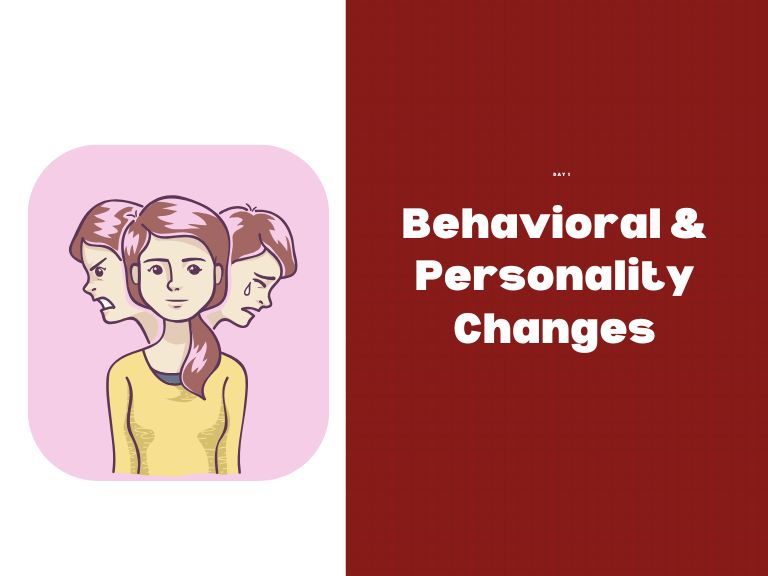
BEHAVIORAL & PERSONALITY CHANGES
One of the most heartbreaking parts of dementia is this:
Sometimes the disease does not only affect memory…
It changes behavior, emotions, and personality itself.
Families often say:
➤ “She is no longer herself.”
➤ “He has changed completely.”
➤ “This is not how he used to behave.”
And in many cases, they are right.
Because dementia can damage brain areas responsible for:
✔️ Emotional control
✔️ Judgment
✔️ Social behavior
✔️ Personality regulation
✔️ Impulse control
As the brain deteriorates, behavior may change in painful and confusing ways.
COMMON BEHAVIORAL CHANGES IN DEMENTIA
➤ Agitation
➤ Irritability
➤ Aggression
➤ Restlessness
➤ Anxiety
➤ Suspicion
➤ Emotional withdrawal
➤ Repetitive behaviors
➤ Mood swings
Some patients may become:
✔️ Easily frustrated
✔️ Verbally abusive
✔️ Physically aggressive
✔️ Fearful without clear reason
Others may become unusually quiet or emotionally detached.
WHY THESE CHANGES HAPPEN
Behavioral symptoms are often triggered by:
➤ Brain damage
➤ Confusion
➤ Fear
➤ Misinterpretation of surroundings
➤ Difficulty communicating needs
➤ Physical discomfort
➤ Overstimulation
Imagine:
➤ Not understanding where you are
➤ Not recognizing people around you
➤ Feeling unsafe but unable to explain why
Fear and confusion can easily turn into:
✔️ Aggression
✔️ Resistance
✔️ Panic
✔️ Emotional distress
Sometimes the behavior is not “bad behavior.”
It is:
Distress expressed through actions.
PERSONALITY CHANGES
Dementia can dramatically affect personality.
A once calm person may become:
➤ Angry
➤ Suspicious
➤ Socially inappropriate
➤ Impulsive
A once confident person may become:
➤ Fearful
➤ Dependent
➤ Emotionally withdrawn
Some patients lose:
✔️ Empathy
✔️ Social awareness
✔️ Emotional regulation
Others may develop:
➤ Paranoia
➤ Delusions
➤ Obsessive behaviors
➤ Compulsive routines
Families often struggle emotionally because they feel they are “losing” the person psychologically before losing them physically.
COMMON BEHAVIORAL TRIGGERS
Many behavioral episodes are triggered by:
➤ Pain
➤ Hunger
➤ Fatigue
➤ Noise
➤ Unfamiliar environments
➤ Rushed caregiving
➤ Feeling threatened
➤ Difficulty understanding instructions
For example:
A patient may hit a caregiver…
not because they are violent by nature…
but because they feel frightened or confused during personal care.
IMPORTANT CLINICAL REALITY
Behavioral symptoms may worsen during:
➤ Evening hours (sundowning)
➤ Illness or infection
➤ Environmental changes
➤ Hospital admission
➤ Sleep deprivation
Sudden major behavior changes may also signal:
✔️ Delirium
✔️ Infection
✔️ Medication reaction
✔️ Medical deterioration
This is why observation is critical.
HOW CAREGIVERS SHOULD RESPOND
Avoid:
✖️ Arguing aggressively
✖️ Shouting
✖️ Humiliating the patient
✖️ Confronting delusions harshly
✖️ Taking insults personally
Instead:
✔️ Stay calm
✔️ Use reassurance
✔️ Reduce environmental stress
✔️ Redirect attention gently
✔️ Observe triggers carefully
✔️ Maintain dignity during care
Important Emotional Truth
A dementia patient may:
➤ Say hurtful things
➤ Accuse loved ones falsely
➤ Become aggressive unexpectedly
But often:
The disease is damaging the brain’s emotional control systems.
The person may not fully understand:
➤ Their behavior
➤ Their words
➤ Their reactions
And this creates emotional pain for everyone involved.
Powerful Reality to Remember
Behind many dementia-related behaviors is usually:
➤ Fear
➤ Confusion
➤ Frustration
➤ Cognitive decline
➤ Loss of control over reality
The patient is not only losing memory.
Sometimes they are losing:
➤ Emotional stability
➤ Self-awareness
➤ Social control
➤ Ability to understand the world around them
And compassionate care means learning to see the distress behind the behavior…
not just the behavior itself.Lorem ipsum dolor sit amet, consectetur adipiscing elit. Ut elit tellus, luctus nec ullamcorper mattis, pulvinar dapibus leo.

HALLUCINATIONS, DELUSIONS & SUNDOWNING
One of the most frightening parts of dementia — for both patients and families — is when reality itself becomes distorted.
A patient may:
➤ See people who are not there
➤ Hear voices nobody else hears
➤ Believe false accusations strongly
➤ Become severely confused at night
Families often panic and ask:
“Is this madness?”
“Why is this happening?”
In many dementia cases, these symptoms are linked to changes occurring inside the brain.
HALLUCINATIONS
A hallucination is:
Seeing, hearing, or sensing something that is not actually present.
The most common type in dementia is:
✔️ Visual hallucinations.
A patient may:
➤ See strangers inside the room
➤ Speak to imaginary people
➤ See animals or children that are not there
➤ Become frightened by nonexistent objects
To the patient:
The hallucination feels completely real.
This is extremely important to understand.
Arguing aggressively by saying:
✖️ “Nobody is there!”
✖️ “Stop imagining things!”
…may worsen fear or agitation.
The patient’s brain is processing false sensory information as reality.
DELUSIONS
A delusion is:
A false belief strongly held despite evidence showing otherwise.
Common dementia-related delusions include:
➤ Believing items were stolen
➤ Thinking family members are imposters
➤ Accusing caregivers falsely
➤ Believing strangers live inside the house
➤ Feeling watched or threatened
For example:
A patient may hide money…
forget where it was kept…
then accuse relatives of theft.
This is not always intentional dishonesty.
The damaged brain may be trying to explain memory gaps or confusion.
WHY HALLUCINATIONS & DELUSIONS HAPPEN
They may occur because dementia affects:
✔️ Perception
✔️ Memory
✔️ Judgment
✔️ Reality processing
Certain dementia types, especially:
➤ Lewy Body Dementia
➤ Advanced Alzheimer’s disease
…commonly involve hallucinations.
Triggers may also include:
➤ Poor lighting
➤ Infection
➤ Sleep deprivation
➤ Delirium
➤ Medication side effects
➤ Environmental confusion
HOW CAREGIVERS SHOULD RESPOND
Avoid:
✖️ Mocking the patient
✖️ Aggressive confrontation
✖️ Harsh correction
✖️ Dismissing their fear carelessly
Instead:
✔️ Stay calm
✔️ Offer reassurance
✔️ Reduce environmental stress
✔️ Redirect attention gently
✔️ Ensure safety
✔️ Observe patterns and triggers
Sometimes reassurance matters more than proving reality.
What the patient feels emotionally is real…
even if the hallucination itself is not.
SUNDOWNING
Sundowning refers to:
Worsening confusion, agitation, anxiety, or behavioral disturbance during late afternoon or evening.
As daylight reduces, some dementia patients become:
➤ More restless
➤ More confused
➤ Irritable
➤ Aggressive
➤ Disoriented
➤ Emotionally distressed
Some may:
✔️ Wander aimlessly
✔️ Refuse care
✔️ Become paranoid
✔️ Sleep poorly
✔️ Cry or panic at night
Families are often exhausted because symptoms worsen when everyone else is already tired.
Possible Causes of Sundowning
➤ Brain circadian rhythm disruption
➤ Fatigue
➤ Reduced lighting
➤ Increased shadows causing confusion
➤ Sleep disturbances
➤ Environmental overstimulation
➤ Hunger or discomfort
As evening approaches, the brain may struggle more to interpret surroundings properly.
MANAGING SUNDOWNING
Helpful strategies may include:
✔️ Maintaining consistent routines
✔️ Reducing evening noise
✔️ Improving lighting
✔️ Encouraging daytime activity
✔️ Avoiding overstimulation late in the day
✔️ Monitoring sleep patterns
✔️ Providing reassurance calmly
Important Clinical Warning
Sudden severe hallucinations or confusion may sometimes indicate:
➤ Delirium
➤ Infection
➤ Medication toxicity
➤ Acute medical deterioration
Healthcare workers must therefore observe carefully and escalate concerns when necessary.

Imagine living in a world where:
➤ Shadows feel threatening
➤ Familiar faces become unfamiliar
➤ False images seem real
➤ Evening brings fear instead of rest
That is the reality many dementia patients silently experience.
And in those moments…
The calmness, patience, and reassurance of a caregiver may become the patient’s only remaining sense of safety.
Favour James, a Nigerian dementia support worker working in a residential care facility in Bristol, United Kingdom, was assigned to care for Mrs. Margaret Lewis, a 79-year-old woman living with advanced dementia.
During the daytime, Mrs. Lewis was usually calm and cooperative.
She could:
✔️ Eat with assistance
✔️ Hold short conversations
✔️ Recognize some staff members occasionally
But every evening, her behavior changed dramatically.
As sunset approached, Mrs. Lewis often became:
✖️ Restless
✖️ Confused
✖️ Irritable
✖️ Emotionally distressed
One evening around 7 PM, she suddenly became frightened and pointed toward a dark corner of the room.
She shouted:
“Why are those children standing there watching me?”
However, nobody else could see anyone in the room.
Mrs. Lewis became increasingly terrified.
She started:
✖️ Crying
✖️ Refusing care
✖️ Attempting to leave the room
✖️ Accusing staff of hiding “strangers” inside the facility
A newly employed staff member responded harshly:
“There is nobody there! Stop imagining things!”
This only made Mrs. Lewis more frightened and agitated.
Favour quickly noticed the situation worsening.
Instead of arguing, she calmly approached the patient and said softly:
“You are safe, Mrs. Lewis. I am here with you.”
She then:
✔️ Reduced noise in the environment
✔️ Switched on better lighting
✔️ Redirected Mrs. Lewis gently toward another activity
✔️ Stayed beside her calmly until she settled
Over time, the patient became less distressed.
Later that night, Mrs. Lewis accused another resident of stealing her handbag.
Staff members eventually found the handbag hidden inside her own wardrobe, where she had forgotten placing it earlier.
Favour understood that the patient was not intentionally lying.
The dementia was affecting:
✔️ Memory
✔️ Judgment
✔️ Reality perception
A few days later, Mrs. Lewis suddenly became far more confused than usual.
She started:
✖️ Talking to imaginary figures constantly
✖️ Becoming severely restless
✖️ Sleeping poorly
✖️ Struggling to recognize familiar staff
Favour immediately reported the sudden deterioration to the supervising nurse.
Medical assessment later revealed that Mrs. Lewis had developed an infection causing delirium, which had worsened the hallucinations and confusion significantly.
IMPORTANT PROFESSIONAL LESSONS FROM THIS SCENARIO
Favour demonstrated professional dementia care skills by:
✔️ Remaining calm during hallucinations
✔️ Avoiding aggressive confrontation
✔️ Reassuring the patient emotionally
✔️ Recognizing sundowning behaviors
✔️ Observing sudden deterioration carefully
✔️ Escalating concerns appropriately
FINAL REALITY CHECK
For dementia patients:
✔️ Hallucinations may feel completely real
✔️ Delusions may feel believable
✔️ Evening confusion may become frightening and overwhelming
Professional caregivers must respond with:
✔️ Patience
✔️ Reassurance
✔️ Observation
✔️ Safety-focused care
✔️ Emotional support
COMMUNICATION PROBLEMS IN DEMENTIA
One of the most painful effects of dementia is this:
The person may still have emotions…
still have needs…
still feel fear or discomfort…
…but gradually lose the ability to communicate clearly.
And when communication breaks down:
➤ Frustration increases
➤ Isolation grows
➤ Behavioral problems may worsen
➤ Care becomes more difficult
This is why communication is one of the most important skills in dementia care.
HOW DEMENTIA AFFECTS COMMUNICATION
Dementia can damage brain areas responsible for:
✔️ Language
✔️ Understanding
✔️ Speech processing
✔️ Word retrieval
✔️ Attention
✔️ Memory
As a result, patients may struggle to:
➤ Find the right words
➤ Follow conversations
➤ Understand instructions
➤ Express emotions properly
➤ Process information quickly
Communication problems usually worsen as dementia progresses.
COMMON COMMUNICATION DIFFICULTIES
➤ Repeating questions frequently
➤ Losing words during conversations
➤ Using incorrect words
➤ Forgetting names of objects
➤ Difficulty understanding complex sentences
➤ Becoming silent or withdrawn
➤ Losing track during conversations
Some patients may pause often because:
The brain is struggling to retrieve language.
Others may become frustrated or angry when they cannot express themselves.
UNDERSTANDING VS SPEAKING
Some dementia patients can still speak…
but may not fully understand what others are saying.
Others may understand more than they can express.
This mismatch can create:
✔️ Confusion
✔️ Embarrassment
✔️ Emotional distress
A patient may nod during conversation…
while internally struggling to understand what is happening.
WHY PATIENTS MAY BECOME AGITATED
Imagine:
➤ Hearing words that no longer make sense
➤ Trying to speak but failing
➤ Feeling misunderstood constantly
Communication failure can trigger:
➤ Aggression
➤ Withdrawal
➤ Anxiety
➤ Fear
➤ Resistance to care
Sometimes what appears as “difficult behavior” is actually:
Communication distress.
COMMON CAREGIVER MISTAKES
Avoid:
✖️ Speaking too fast
✖️ Giving multiple instructions at once
✖️ Shouting unnecessarily
✖️ Arguing aggressively
✖️ Correcting every mistake
✖️ Talking to the patient like a child
These responses may worsen confusion or humiliation.
EFFECTIVE COMMUNICATION TECHNIQUES
Instead:
✔️ Speak slowly and clearly
✔️ Use short simple sentences
✔️ Maintain eye contact
✔️ Use calm tone of voice
✔️ Give one instruction at a time
✔️ Allow extra time for responses
✔️ Use gestures and visual cues
✔️ Reduce background noise
Sometimes:
✔️ Facial expressions
✔️ Touch
✔️ Body language
✔️ Reassurance
…communicate more effectively than words.
NON-VERBAL COMMUNICATION BECOMES VERY IMPORTANT
In advanced dementia, speech may reduce significantly.
But patients may still communicate through:
➤ Facial expressions
➤ Restlessness
➤ Crying
➤ Withdrawal
➤ Body movements
➤ Changes in behavior
A restless patient may be:
✔️ In pain
✔️ Afraid
✔️ Hungry
✔️ Overstimulated
✔️ Trying to communicate discomfort
Observation becomes critical.
Important Clinical Reality
A patient who cannot communicate properly may also struggle to report:
➤ Pain
➤ Infection
➤ Breathing difficulty
➤ Emotional distress
➤ Hunger or thirst
This increases vulnerability significantly.
Healthcare workers must therefore become highly observant and emotionally sensitive.
Powerful Emotional Truth
Imagine slowly losing the ability to:
➤ Express your thoughts
➤ Explain your needs
➤ Understand conversations
➤ Defend yourself verbally
Imagine the loneliness that creates.
Many dementia patients live daily inside that silent frustration.
And sometimes…
The greatest act of care is not merely speaking to the patient…
…but learning how to truly listen beyond words.
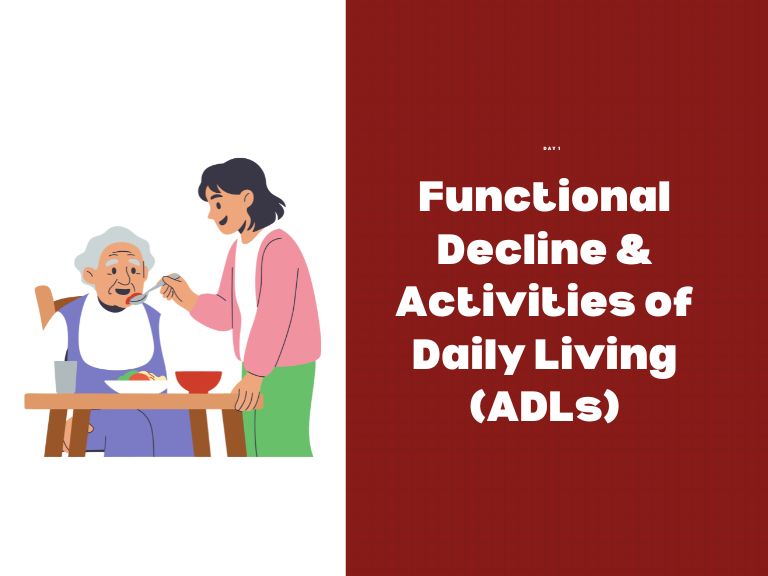
FUNCTIONAL DECLINE & ACTIVITIES OF DAILY LIVING (ADLs)
One major sign of dementia progression is:
Gradual loss of ability to perform daily activities independently.
At first, the changes may seem small.
But over time, simple tasks become difficult or impossible.
This affects:
➤ Safety
➤ Hygiene
➤ Feeding
➤ Mobility
➤ Personal dignity
WHAT ARE ADLs?
ADLs are basic daily activities needed for independent living.
They include:
✔️ Eating
✔️ Bathing
✔️ Dressing
✔️ Toileting
✔️ Grooming
✔️ Walking or mobility
✔️ Managing continence
As dementia progresses, these skills slowly decline.
EARLY FUNCTIONAL DECLINE
In early stages, patients may struggle with:
➤ Managing medications
➤ Cooking safely
➤ Handling money
➤ Following instructions
➤ Remembering appointments
They may:
✔️ Forget bills
✔️ Leave appliances on
✔️ Miss medications
These changes can create safety risks.
MIDDLE-STAGE FUNCTIONAL DECLINE
As dementia worsens, the patient may struggle with:
✔️ Bathing
✔️ Dressing
✔️ Toileting
✔️ Hygiene
✔️ Eating independently
Some may:
➤ Wear clothes incorrectly
➤ Resist bathing
➤ Wander unsafely
➤ Become incontinent
Supervision and assistance become increasingly necessary.
LATE-STAGE FUNCTIONAL DECLINE
In advanced dementia, the patient may become:
➤ Fully dependent on caregivers
➤ Unable to walk safely
➤ Unable to swallow properly
➤ Bedridden
➤ Unable to communicate needs
Complications may include:
➤ Falls
➤ Pressure ulcers
➤ Malnutrition
➤ Infections
➤ Aspiration pneumonia
WHY FUNCTIONAL DECLINE HAPPENS
Dementia damages brain areas responsible for:
✔️ Memory
✔️ Planning
✔️ Coordination
✔️ Judgment
✔️ Movement sequencing
The body may still function physically…
but the brain can no longer guide tasks properly.
EMOTIONAL IMPACT
Functional decline may cause:
➤ Frustration
➤ Fear
➤ Anger
➤ Embarrassment
➤ Loss of confidence
Some patients resist care because they feel confused or humiliated.
HOW CAREGIVERS SHOULD RESPOND
Avoid:
✖️ Rushing the patient
✖️ Shaming mistakes
✖️ Speaking harshly
Instead:
✔️ Encourage independence where possible
✔️ Give simple instructions
✔️ Maintain dignity and privacy
✔️ Use patience and reassurance
✔️ Ensure safety calmly
IMPORTANT PROFESSIONAL LESSON
A dementia patient is not “lazy.”
The brain is gradually losing the ability to:
➤ Plan actions
➤ Remember steps
➤ Coordinate tasks
➤ Maintain independence safely
Advanced dementia care is not only about survival.
It is also about:
✔️ Dignity
✔️ Comfort
✔️ Compassion
✔️ Humanity
Lorem ipsum dolor sit amet, consectetur adipiscing elit. Ut elit tellus, luctus nec ullamcorper mattis, pulvinar dapibus leo.

Lorem ipsum dolor sit amet, consectetur adipiscing elit. Ut elit tellus, luctus nec ullamcorper mattis, pulvinar dapibus leo.
Lorem ipsum dolor sit amet, consectetur adipiscing elit. Ut elit tellus, luctus nec ullamcorper mattis, pulvinar dapibus leo.